
Description
Luehea speciosa is a notable tree species belonging to the Malvaceae family. Recognized for its structural elegance and rapid growth, this species is commonly found in tropical landscapes across South America. The plant is botanically significant due to its evolutionary lineage and its role in local forest ecology, serving as a primary component in several tropical vegetation types.
The native range of Luehea speciosa spans across Brazil, Paraguay, and Argentina, where it thrives in various environmental conditions. It is known to inhabit both dense forest environments and more open savanna-like areas, demonstrating an impressive ability to adapt to varying precipitation levels and soil qualities throughout its natural distribution area.
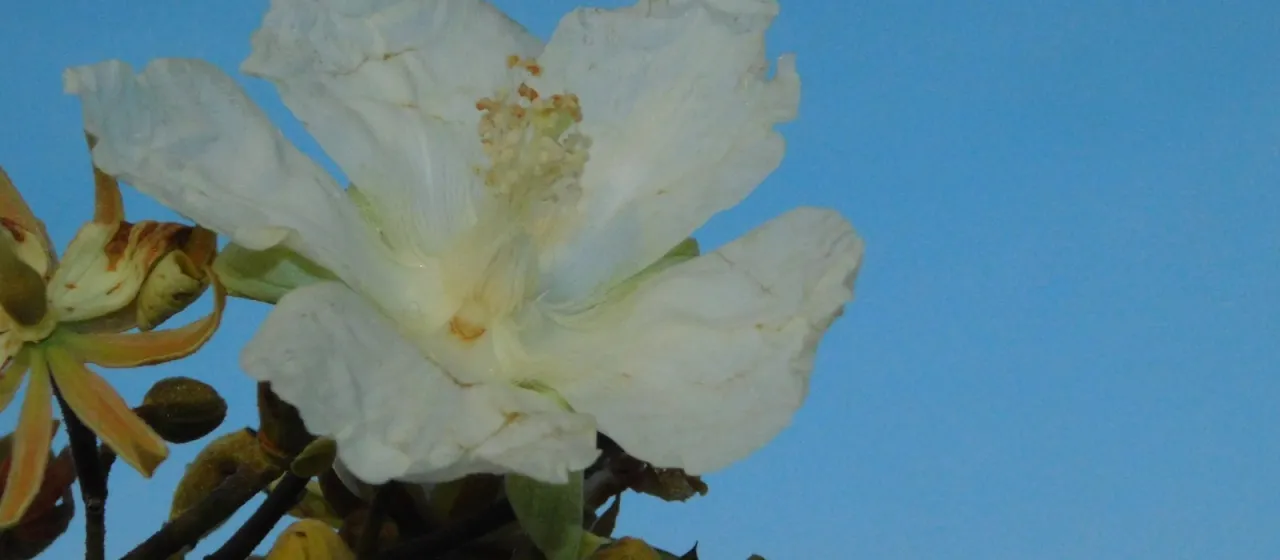
Botanically, the tree is characterized by its large, alternate leaves that are often densely tomentose on the underside, which provides a distinctive silvery appearance. Its flowering phase is quite spectacular, producing large, showy blooms with numerous stamens that attract a wide array of pollinators. The fruit, a dehiscent capsule, allows for the efficient dispersal of seeds, ensuring the tree's reproductive success.
Regarding agronomy and cultivation, Luehea speciosa requires deep, well-drained soil rich in organic matter. While it is relatively hardy once established, young trees demand consistent moisture and protection from harsh winds to develop a straight and robust trunk. Pruning is recommended during the dormant season to improve airflow within the canopy and to eliminate any diseased or weak branches that could harbor pests.
The economic value of this tree is manifold. Its timber is highly regarded for its physical properties—being both strong and relatively lightweight—making it suitable for furniture production and carpentry. Furthermore, the tree is frequently utilized in ecological restoration and reforestation projects due to its fast growth rate and soil-binding properties. In some regions, extracts from the plant have been studied for potential bioactive properties.
- Family: Malvaceae
- Native Habitat: South America
- Light Requirement: Full sun
- Growth Habit: Deciduous to evergreen
- Primary Uses: Timber, restoration