
Description
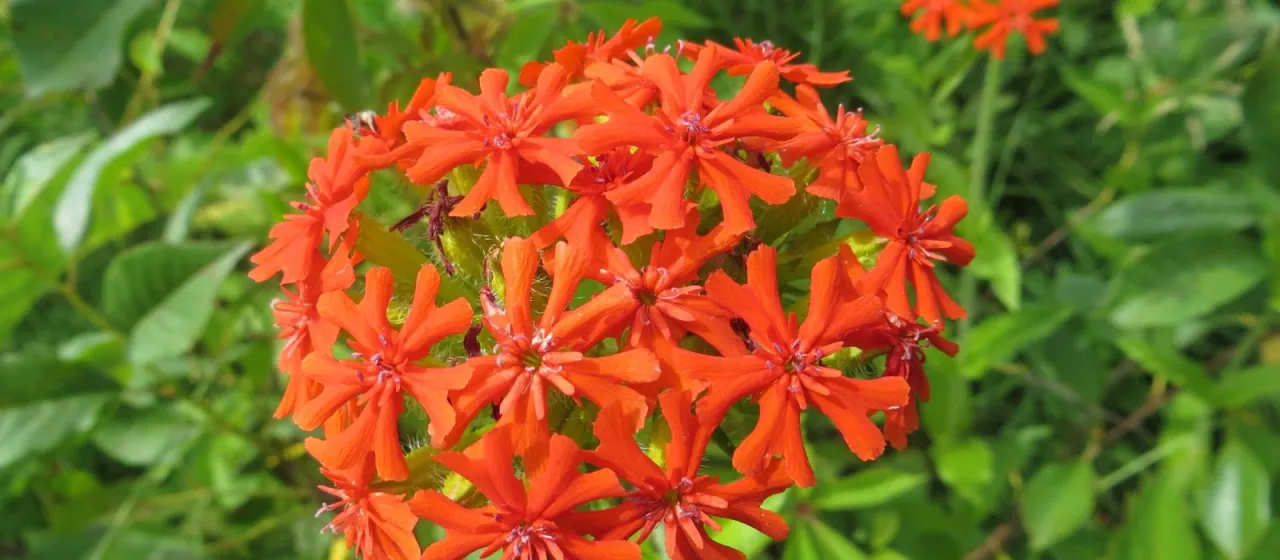
The Maltese cross (Lychnis chalcedonica) is a robust perennial herb belonging to the Caryophyllaceae family. Known in traditional agriculture as a reliable ornamental crop, it is prized for its high environmental resilience and striking scarlet-red blossoms, which have made it a staple in landscape design and sustainable gardening projects across the globe.
The species is native to regions of Russia and Central Asia, naturally thriving in forest margins and meadow habitats. This evolutionary background makes the plant highly adaptable to a variety of temperate climates. It demonstrates significant cold tolerance, making it an excellent candidate for agricultural zones that experience harsh winters and varying seasonal moisture levels.
Botanically, the plant features erect, pubescent stems reaching up to 1 meter in height. Its inflorescences are dense, head-like clusters of brilliant, four-petaled flowers that resemble the Maltese cross shape. The plant is characterized by a strong, fibrous root system that supports its vertical growth and contributes to its perennial longevity in suitable soil conditions.
Successful cultivation requires a site with full sun exposure and fertile, well-draining soil. While the plant can tolerate various soil types, it performs best in neutral to slightly alkaline environments. The key to optimal agricultural output includes maintaining consistent moisture without waterlogging, applying balanced fertilizers during the active growth phase, and performing seasonal deadheading to encourage continuous blooming.
- Propagation by seeds or root division.
- Sun exposure: Full sun is necessary for growth.
- Drainage: Avoid water-saturated areas to prevent root rot.
- Hardiness: Suitable for USDA zones 4 through 8.
Economically, the Maltese cross is primarily used in the ornamental horticulture sector. Historically, parts of the plant have been used for their saponin content in traditional remedies. Agricultural producers should monitor for common pests such as aphids and nematodes, as well as fungal issues like leaf spot and rust. Preventive measures, including proper spacing and weed control, are essential for maintaining crop health and productivity.