
Description
Lychnis wilfordii is an elegant perennial herbaceous plant belonging to the Caryophyllaceae family. Known for its distinctively shaped and vibrant flowers, this species is a prized member of the Lychnis genus. It is highly valued in horticulture for its resilience and ability to add a bold visual impact to garden borders during the peak summer months.
The plant is native to the regions of the Far East, specifically Japan, Korea, and adjacent parts of China. Within its natural habitat, it thrives in temperate climates, typically occupying moist meadows, woodland edges, and mountain slopes. These ecological preferences suggest that the plant performs best in environments that offer moderate humidity and protection from harsh, drying winds.
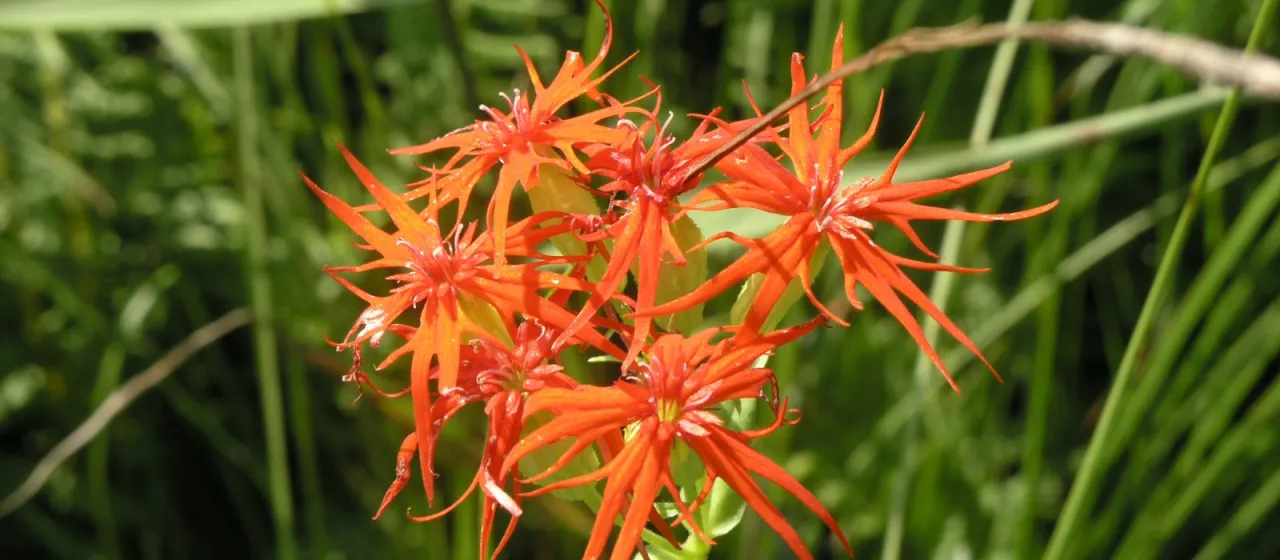
Botanically, Lychnis wilfordii features upright stems that typically reach a height of 50 to 80 centimeters. The leaves are generally lanceolate, providing a lush green backdrop to the main attraction: the clustered flowers. These blossoms are known for their striking red-pink hues and deeply incised petals, which give the inflorescence a delicate, airy appearance that remains attractive for several weeks.
From an agronomic perspective, successful cultivation of this species requires well-draining, nutrient-rich soil with a neutral to slightly acidic pH. While it is relatively adaptable, it performs best in positions where it receives full morning sun but is protected from the intense heat of the afternoon. Regular irrigation during dry spells is crucial, especially during the active growing phase, to ensure uniform development and prolonged blooming.
- Essential maintenance includes deadheading to encourage potential late-season blooming.
- Mulching is recommended to maintain soil moisture and suppress weed growth.
- The plant is generally resistant to pests but should be monitored for aphids in very wet springs.
- Propagation can be achieved through seed sowing or careful division of mature clumps in spring or autumn.
The primary utility of Lychnis wilfordii is ornamental. It is frequently employed in cottage-style gardens, perennial borders, and naturalistic landscaping projects. Because of its structural habit and vibrant color profile, it works exceptionally well when paired with grasses or other mid-summer flowering perennials, creating a balanced and aesthetically pleasing environment for various garden designs.