
Description
Maleberry (Lyonia ligustrina) is a deciduous shrub that belongs to the Ericaceae family. Known for its graceful habit and seasonal color changes, this plant is an excellent choice for gardeners focused on acid-loving species that offer unique ornamental value to the landscape.
Native to eastern North America, this species thrives in varied habitats ranging from damp meadows to moist forests. Its natural distribution suggests a high level of resilience to shifting light conditions, provided that the soil chemistry remains stable and acidic throughout the growing season.
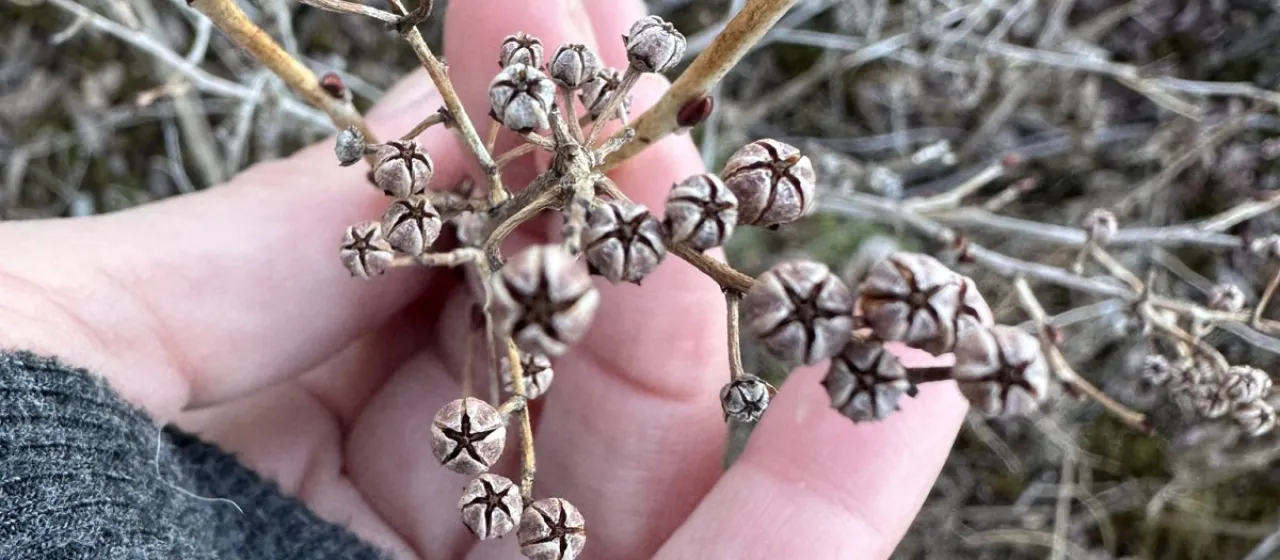
Botanically, Lyonia ligustrina is characterized by a height typically ranging from 1 to 3 meters. The foliage is elliptic and turns to brilliant shades of red and bronze in the autumn. The flowers, which bloom in early summer, are small, white to creamy, and formed in elegant, bell-shaped panicles that attract pollinators.
Successful cultivation requires soil with a low pH, typically between 4.5 and 5.5. Because the plant is highly sensitive to soil alkalinity, planting sites must be amended with sphagnum peat moss or organic compost specifically designed for acidophilic plants to ensure healthy growth and nutrient uptake.
- Preferred soil: Well-drained, acidic, organic-rich soil.
- Watering: Consistent moisture; avoid drought conditions.
- Light exposure: Partial shade to filtered sunlight.
- Fertilization: Use acid-forming fertilizers applied in early spring.
- Maintenance: Mulch heavily to regulate soil moisture and temperature.
The primary use of this shrub is in ornamental horticulture. It is frequently incorporated into heather gardens, woodland settings, or native plant borders. Its ability to tolerate wet soil conditions makes it a valuable plant for lower-lying areas of the garden that might prove unsuitable for less moisture-tolerant species.
In terms of plant health, Lyonia ligustrina can be susceptible to fungal pathogens if drainage is inadequate, leading to root rot. While generally hardy, it should be monitored for common pests such as scale insects or aphids. Regular pruning after flowering helps maintain the plant's shape and encourages more prolific blooming in the following season.