
Description
Staggerbush (Lyonia mariana) is a deciduous flowering shrub belonging to the Ericaceae family. Known for its distinct bell-shaped flowers and attractive foliage, this plant is a popular choice for gardeners focusing on acidic soil environments, such as woodland gardens or shaded perennial borders.
Native to the eastern United States, the species thrives in moist, sandy, or peaty soils. Its natural habitat includes coastal plains and marshy forests, which defines its preference for high-acidity substrates and consistent moisture levels, making it a specialized plant for specific landscape designs.
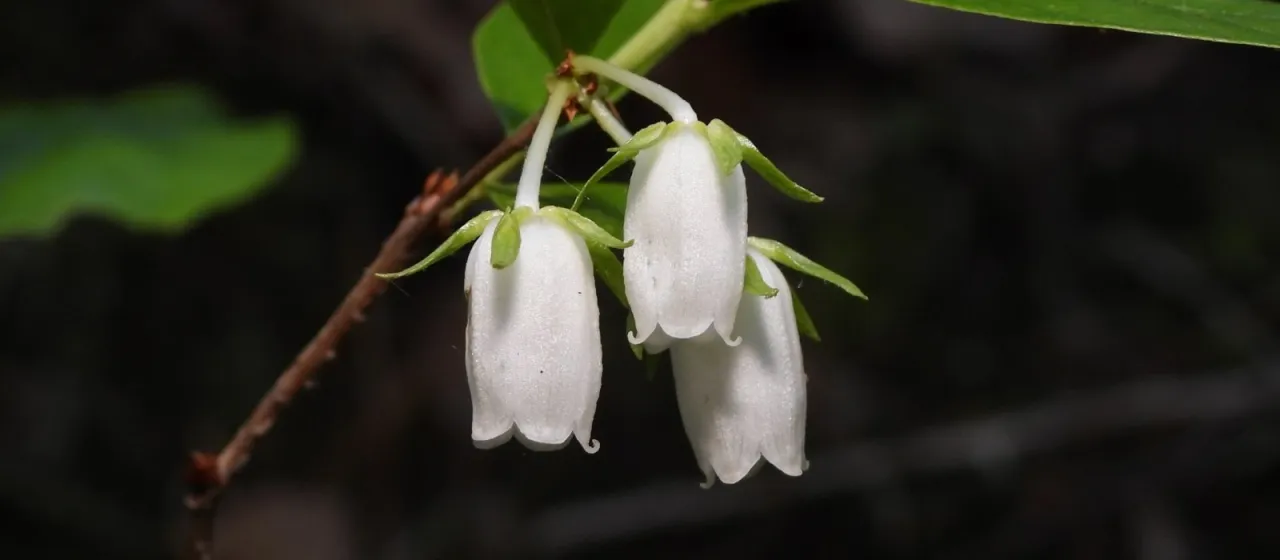
Botanically, Lyonia mariana typically reaches 1 to 2 meters in height. Its structure is composed of upright, wand-like stems featuring oval leaves that turn pleasant shades in autumn. The inflorescences emerge as clusters of white to pink, pendant, bell-shaped flowers, creating a visually striking display during the mid-spring season.
Agricultural requirements for successful cultivation include the maintenance of acidic soil conditions with a pH between 4.5 and 5.5. Proper moisture management is critical; while the shrub thrives in damp conditions, it requires excellent drainage to prevent root rot. Partial shade is generally preferred to protect the foliage from mid-day heat stress.
While not a traditional commodity crop, Staggerbush is highly valued in the nursery industry. It is generally robust, but gardeners should monitor for common ericaceous issues such as leaf chlorosis caused by high pH, as well as fungal pathogens that may occur in poorly ventilated or waterlogged conditions.