
Description
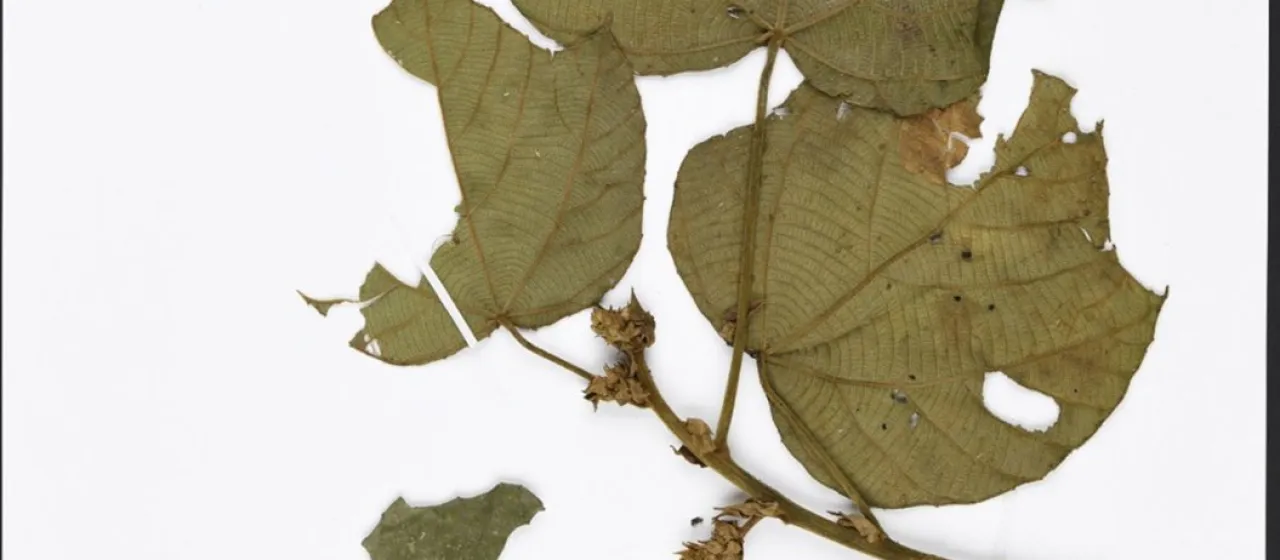
Macaranga angolensis is a distinguished species within the Euphorbiaceae family, recognized for its role as a pioneer tree in the tropical rainforests of Africa. It belongs to a genus of trees that are ecologically significant due to their ability to thrive in degraded landscapes, effectively preparing the ground for more climax species to follow.
The native distribution of this species spans across the tropical belts of Africa, including countries in Central, West, and East Africa. It prefers moist, high-rainfall environments and is frequently found along forest edges, secondary growth areas, and riparian zones. Its geographic adaptability allows it to persist in various microclimates within its range.
From a botanical standpoint, the tree can reach heights of up to 20 meters. It features broad, heart-shaped leaves that contribute to a dense canopy. The plant typically exhibits a monoecious flowering habit, producing small flowers within inflorescences, followed by small, often woody, capsular fruits. Its rapid growth rate is facilitated by an efficient photosynthetic apparatus adapted to high light conditions.
Cultivation requires environments with high humidity and fertile, well-draining soils. While the species is resilient, proper site preparation involves ensuring the soil remains moist but not waterlogged. In forestry management, spacing is crucial to prevent competition among seedlings, ensuring each plant has sufficient access to sunlight to maximize its fast growth potential.
The economic and practical utility of Macaranga angolensis is diverse:
- Utilized for light-weight timber suitable for indoor furniture and veneers.
- Subject of research for potential medicinal compounds in bark extracts.
- Essential in reforestation projects for its role as a fast-growing soil stabilizer.
- Valued in agroforestry systems as a shade-providing cover crop for younger, sensitive plants.
Common health issues for this tree include root rot if planted in poorly drained soil and susceptibility to certain fungal leaf pathogens. Pest pressure usually comes from various wood-boring beetles and lepidopteran larvae. Management typically involves selecting sites with adequate natural drainage and maintaining balanced ecosystem health to support natural predators of these pests.