
Description
Machaerium paraguariense is a prominent tree species belonging to the Fabaceae family (legumes). It is highly regarded in its native tropical environments for its robust physical structure and the significant ecological services it provides within the forest canopy.
The natural range of this species extends primarily across Paraguay, Brazil, and northern Argentina. It thrives in humid tropical and subtropical climates, requiring areas that provide consistent warmth and sufficient rainfall to support its continuous development and canopy formation throughout the seasons.
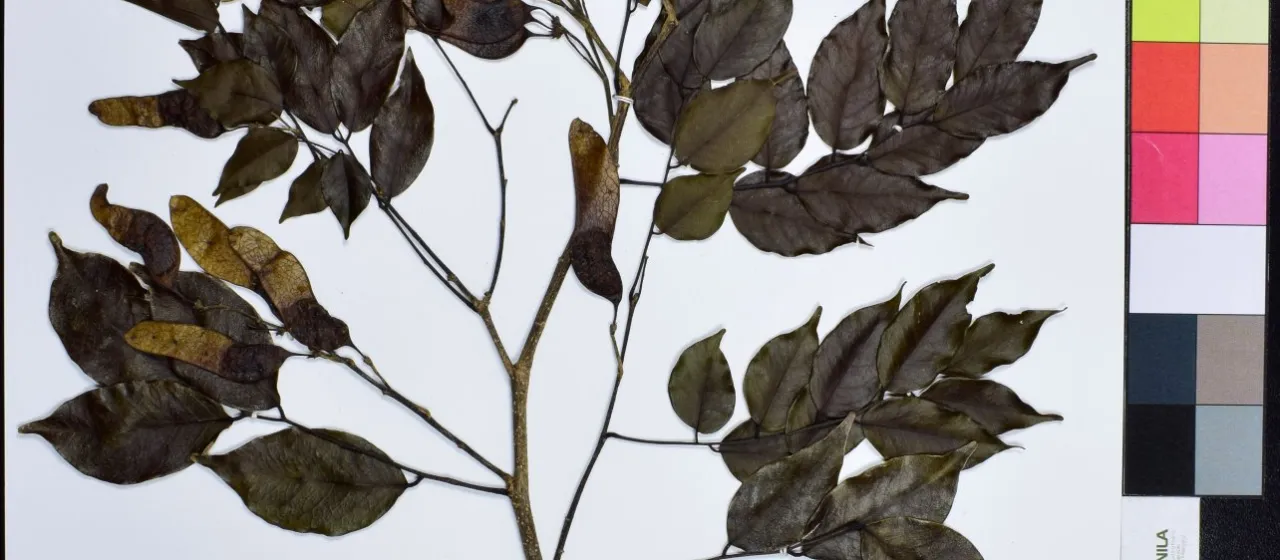
Botanically, it exhibits the typical characteristics of the Machaerium genus, including compound leaves and wind-dispersed, winged pod fruits. The wood of this tree is dense and highly durable, making it a sought-after material for fine carpentry, high-end furniture manufacturing, and decorative wood products.
In terms of silviculture, the plant requires well-drained, nutrient-rich soils. While it is not traditionally farmed like annual field crops, management of its growth involves careful site selection and the protection of saplings during the early establishment phase to ensure long-term structural integrity and yield optimization.
The tree plays a vital role in soil enrichment. As a nitrogen-fixing species, it enhances the fertility of the forest floor, supporting the growth of surrounding vegetation. Its contribution to biodiversity and soil health makes it a significant component of reforestation efforts in the South American region.
The primary threats to Machaerium paraguariense include infestations by wood-boring insects and susceptibility to specific fungal root rot diseases, particularly in waterlogged conditions. Effective management requires maintaining adequate spacing between trees and monitoring health levels to mitigate the spread of pests.