
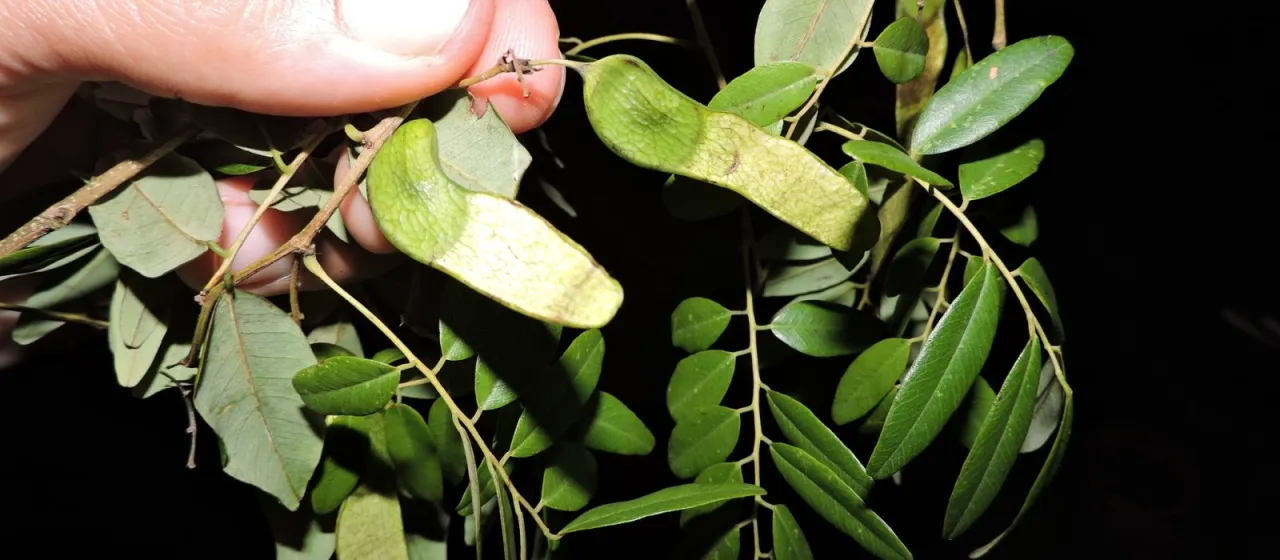
Description
Machaerium stipitatum is a prominent species of woody plants belonging to the Fabaceae family. Native to the tropical regions of the Americas, this tree is highly regarded in forestry and agroforestry systems due to its robust growth and the high quality of its wood. It serves as a critical component in the biodiversity of tropical ecosystems, providing habitat and resources for local fauna.
The plant originates from the tropical zones of Central and South America. It thrives in diverse environments, ranging from dense tropical rainforests to seasonal forest patches. Its distribution is primarily dictated by climate; it requires high temperatures and adequate rainfall throughout the year, though it exhibits significant resilience to periods of moderate drought once fully established.
Botanically, Machaerium stipitatum is characterized by its compound leaves and typical legume-type fruit, which are flat, winged pods. The root system is deep and efficient, capable of forming symbiotic relationships with nitrogen-fixing bacteria. This feature is biologically significant, as it contributes to soil enrichment and allows the species to colonize poorer soils with success.
For optimal cultivation, the species requires well-drained, nutrient-rich soils. In plantation settings, young saplings need sufficient light, although they can adapt to varying levels of canopy cover over time. Proper management includes selective thinning and regular pruning to ensure the development of straight, high-quality timber. It is generally resistant to most common tropical pests, though vigilance is required during the sapling stage.
The economic value of Machaerium stipitatum is primarily derived from its durable and dense timber. It is highly sought after for fine woodworking, specialized furniture, and traditional musical instruments. Beyond commercial use, the species is frequently utilized in environmental restoration projects, helping to stabilize soil and prevent erosion in fragile tropical landscapes.
- High-density timber production
- Nitrogen-fixing capability
- Adaptation to tropical forest restoration
- Resilience to environmental stress