
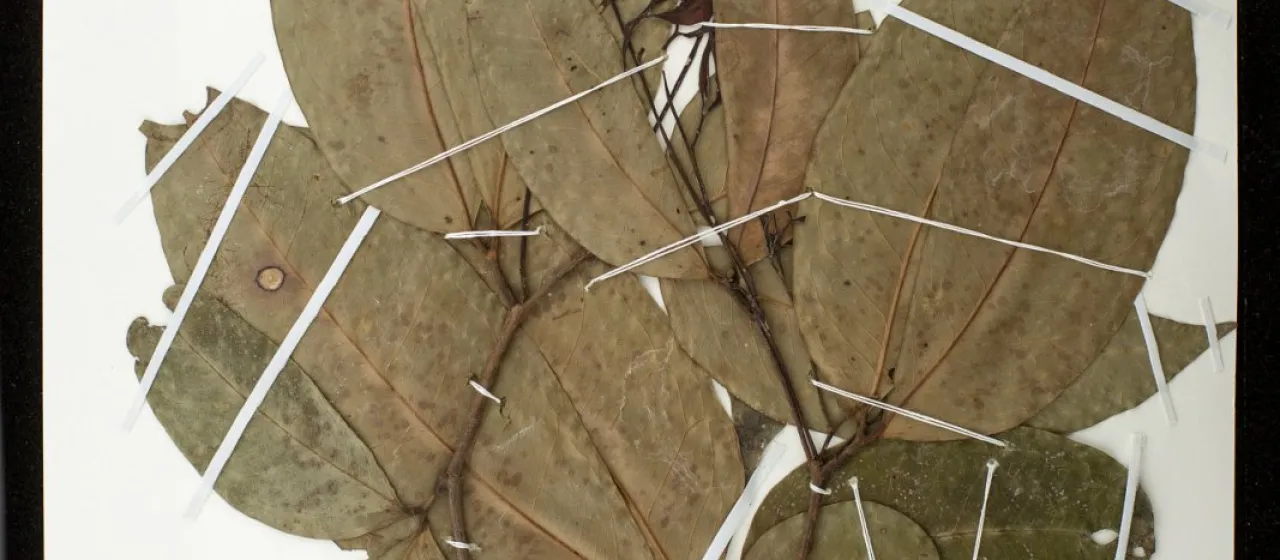
Description
Macrolobium bifolium is a distinct tree species belonging to the legume family (Fabaceae). As a significant component of tropical forest ecosystems, this plant is increasingly recognized in studies concerning sustainable tropical forestry and biodiversity conservation.
Originating from the humid tropical regions of South America, this species is naturally found in the Amazon basin and surrounding territories. Its range is confined to areas with high annual precipitation and consistently warm temperatures, reflecting its adaptation to rainforest environments.
Botanically, Macrolobium bifolium is identified by its evergreen foliage, which typically features bifoliate leaves. The tree possesses a robust structure, and its physiological traits are specialized for competitive growth within the dense canopy layers of a tropical forest.
In terms of cultivation, the species requires specific conditions, including deep, well-draining, nutrient-rich soils and a stable tropical climate. Successful management involves maintaining high soil moisture levels while ensuring adequate aeration, as the root system is sensitive to prolonged waterlogging in stagnant conditions.
The primary economic use of this species is in timber production and ecological reforestation efforts. Common threats to the tree include various fungal pathogens that target the root system under improper cultivation conditions, alongside specific wood-boring insects common to tropical regions.
- Legume family
- Tropical habitat
- Nitrogen-fixing potential
- High humidity requirement