
Description
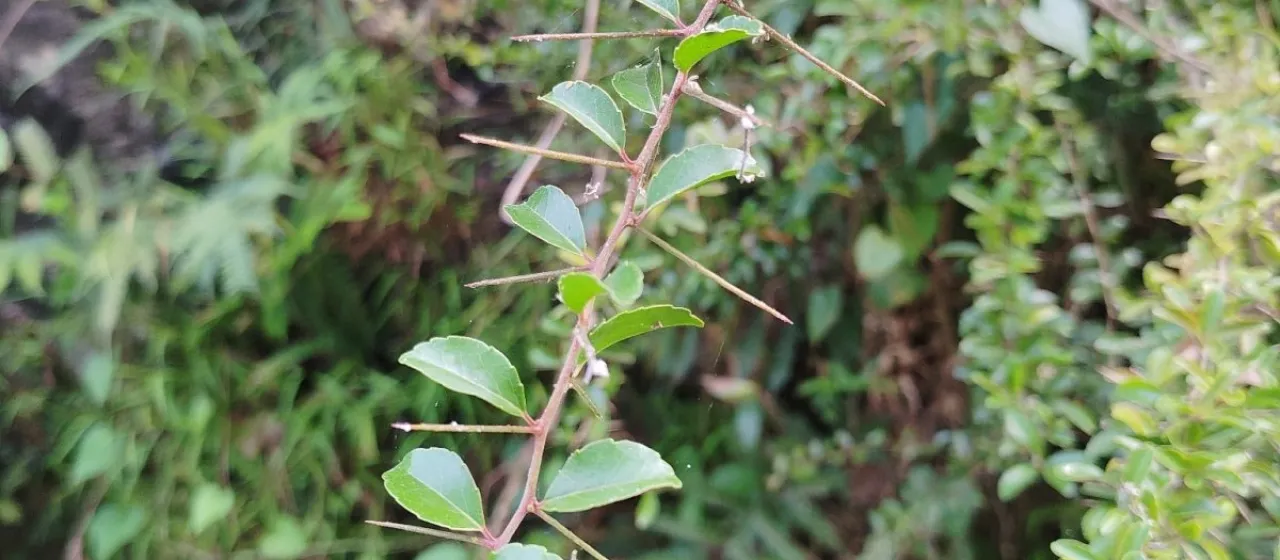
The Madagascar Plum (Flacourtia indica) is a deciduous shrub or small tree belonging to the Salicaceae family. Widely recognized for its edible, plum-like fruits, this species is commonly known as the Governor’s Plum. In its native habitat, it can grow up to 10 meters tall and is often characterized by sharp, woody spines on its trunk and branches, making it a functional choice for living fences.
The plant originates from tropical regions of Africa and Asia. It has become naturalized in numerous tropical and subtropical countries, thriving in diverse environments such as dry savannas and deciduous forests. Its ability to grow in various climates has made it a popular choice for small-scale fruit production and household gardens in regions where other fruit trees might struggle.
Botanically, the species is known for its high degree of variability in growth habit and fruit quality. The leaves are ovate to elliptical, with serrated margins. The flowers are small, and since the plant is generally dioecious, both male and female specimens are required for fruit set. The fruits ripen to a deep purple or near-black color, possessing a succulent pulp that is sweet when fully mature.
Agricultural requirements for the Madagascar Plum are relatively straightforward. The tree performs best in well-drained soils and requires full sun exposure to achieve optimal fruit yield. It exhibits remarkable drought tolerance, which is a key advantage for farming in arid or semi-arid tropical areas. Maintenance consists mainly of pruning to manage its aggressive thorn growth and facilitate easier harvesting.
Economic uses for the plant are varied. The fruits are consumed raw or processed into jams, jellies, and desserts due to their unique flavor profile. Beyond the fruit, the wood is durable and used for small-scale construction or tool handles. Pests such as fruit flies can affect yield, and maintaining orchard hygiene is essential to prevent fungal diseases during the humid rainy seasons.
- Exceptional drought and heat tolerance.
- Versatile fruit suitable for processed food products.
- Ideal for use as a protective, thorny living fence.
- Capable of thriving in poor-quality, marginal soils.