
Description
Rukam (Flacourtia rukam) is a tropical evergreen tree belonging to the family Salicaceae. It is a well-known fruit-bearing plant native to the humid tropics of Southeast Asia. The tree is cherished both for its ecological role in tropical landscapes and for its edible, nutrient-rich fruits that serve as a source of food for local populations.
The plant originates from the tropical regions of Asia, specifically inhabiting areas of Indonesia, Malaysia, and the Philippines. It thrives in diverse habitats, including secondary forests and riverbanks, demonstrating high adaptability to various soil types, provided they are moist and well-drained. Its distribution is largely tied to tropical zones that do not experience significant cold seasons.
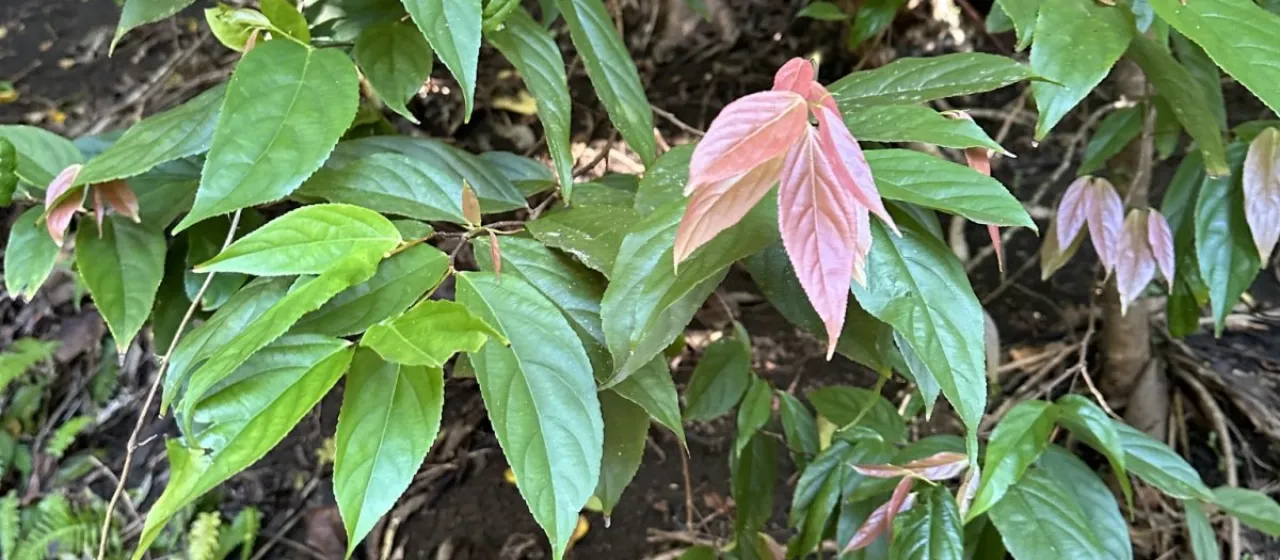
Botanically, the Rukam is characterized by its moderate growth rate, reaching heights of up to 15 meters. The foliage is typically glossy and serrated, and the plant often features thorns on the branches, especially in its juvenile stages. The fruit is a small, round berry, turning deep red or purple upon maturity, with a juicy pulp that is tart and refreshing.
From an agricultural standpoint, the tree demands a tropical climate with high humidity and consistent rainfall. It performs best in nutrient-rich soils that retain moisture but allow for adequate drainage. Propagation is generally carried out through seeds or vegetative methods, such as grafting, which helps in maintaining the quality of the fruit and reducing the time required for the tree to enter its reproductive phase.
In terms of хозяйственное (economic) use, the fruits are consumed raw or processed into jams, jellies, and preserves. The tree is also utilized in traditional medicine due to the presence of secondary metabolites in its leaves and bark. Like many tropical fruit crops, Rukam is susceptible to pests such as fruit flies and various types of scale insects, necessitating integrated pest management strategies to ensure a healthy yield.