
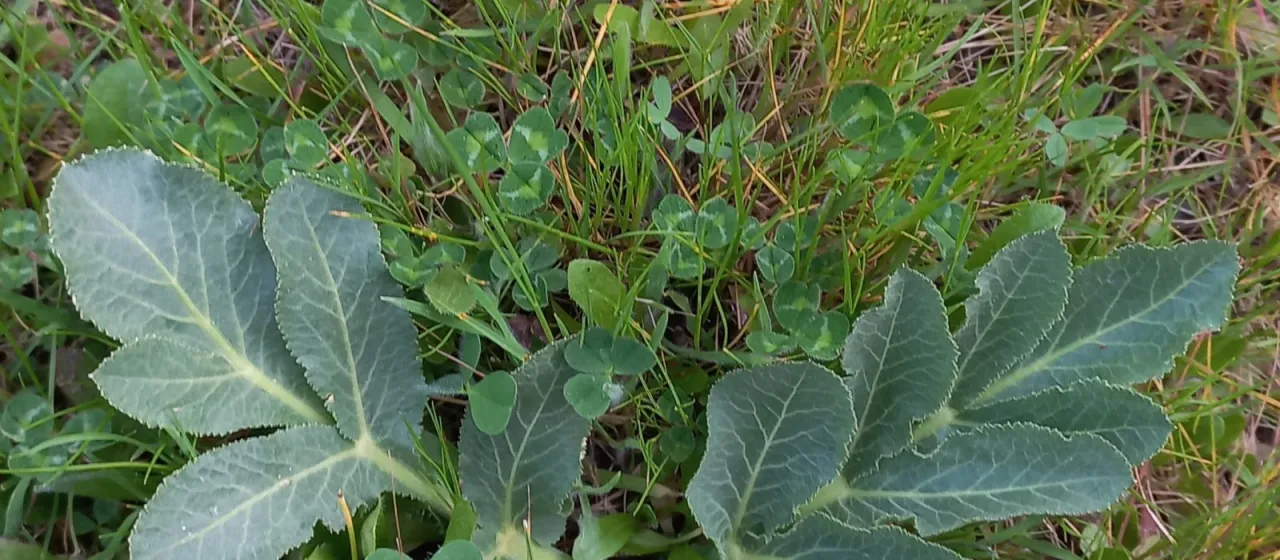
Description
Magydaris panacifolia is a perennial herbaceous plant belonging to the Apiaceae (parsley) family. As an agricultural crop, it is primarily categorized as an essential oil-bearing plant, valued for its unique chemical profile. This species is recognized for its botanical significance and potential utility in specialized herbal production systems.
The plant originates from the Mediterranean region, with its natural range spanning parts of Southern Europe and North Africa. It is ecologically adapted to Mediterranean climates characterized by dry, hot summers and mild, wet winters. Its natural habitats typically include rocky slopes, scrublands, and open areas with well-drained, nutrient-poor soil.
Botanically, Magydaris panacifolia is characterized by large, deeply lobed leaves that resemble those of the Panax genus, leading to its scientific name. The plant produces robust stems topped with compound umbels, which are diagnostic features of the celery family. Its deep taproot system is an evolutionary adaptation that allows the plant to thrive in regions with significant seasonal water scarcity.
Cultivation requirements for this species are specific and include the following:
- Full sun exposure is mandatory for optimal growth and secondary metabolite synthesis.
- Well-draining, slightly alkaline soil is preferred to prevent root system decay.
- Low irrigation needs, as the plant is highly drought-tolerant once established.
- Protection against extreme frost, which can damage the plant's crown in non-native climates.
The economic and agricultural utility of Magydaris panacifolia lies in its volatile oils and bioactive compounds. These substances have shown potential in pharmaceutical applications, particularly for their antimicrobial and anti-inflammatory properties. Ongoing interest in the plant centers on its potential to be standardized for large-scale field production, particularly in arid lands where traditional water-intensive crops fail.
Crop health management involves monitoring for fungal pathogens such as powdery mildew, which thrive in stagnant air conditions, and root rot diseases caused by poor drainage. Key pests that affect this crop include aphids, which tend to infest the soft tissue of the inflorescences, and certain root-feeding larvae. Integrated pest management strategies are recommended to maintain yield quality without chemical over-reliance.