
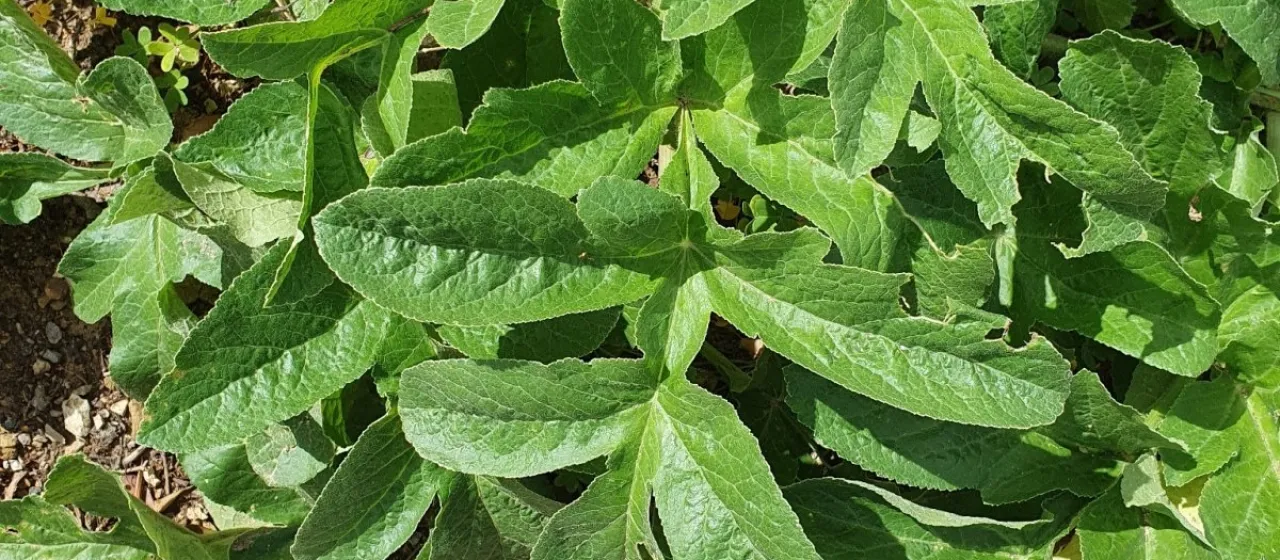
Description
Magydaris pastinacea is a perennial herbaceous plant belonging to the Apiaceae (parsley) family. While not a conventional staple crop, it is recognized for its unique chemical composition and potential value as an essential oil-bearing plant. The species is characterized by its robust growth habits and distinctive aromatic profile common to many members of the Apiaceae family.
The plant is native to the Mediterranean basin, flourishing in environments with mild, temperate winters and warm, dry summers. Its natural distribution suggests that it performs best in regions where the climate allows for an extended growing season, making it a suitable candidate for specific Mediterranean-type agricultural zones.
Botanically, Magydaris pastinacea develops deep root systems and tall, erect stems topped with complex umbels. The leaves are typically pinnate and provide a dense cover during the vegetative phase. These features contribute to the plant's resilience, allowing it to compete effectively in its native habitat once established after the initial slow-growing phase.
For successful cultivation, well-drained soil with a neutral to slightly alkaline pH is required. Farmers should prioritize selecting sites with full sun exposure. Soil moisture management is critical; while the plant is drought-tolerant once mature, consistent water supply during the early growth stages is essential for developing a strong root structure, which ultimately determines yield.
The agricultural potential for this species is centered on its essential oil content, which has applications in the fragrance, flavoring, and pharmaceutical industries. Furthermore, its ability to thrive in poor soils with minimal input makes it an interesting option for sustainable crop diversification. Disease management focuses primarily on preventing fungal pathogens common to Apiaceae, such as powdery mildew, through proper plant spacing and airflow.