
Description
The Southern crabapple (Malus angustifolia) is a species of small, deciduous tree within the Rosaceae family. This species is native to the southeastern parts of North America and is distinct for its specific foliage characteristics and its role in both wild ecosystems and controlled horticultural settings.
Originating in the United States, this crabapple thrives in woodland habitats and edges. It is particularly adapted to the climate of the American South, showing resilience against typical regional stressors. As a wild species, it forms dense thickets in its natural environment, providing essential cover and food for local wildlife.
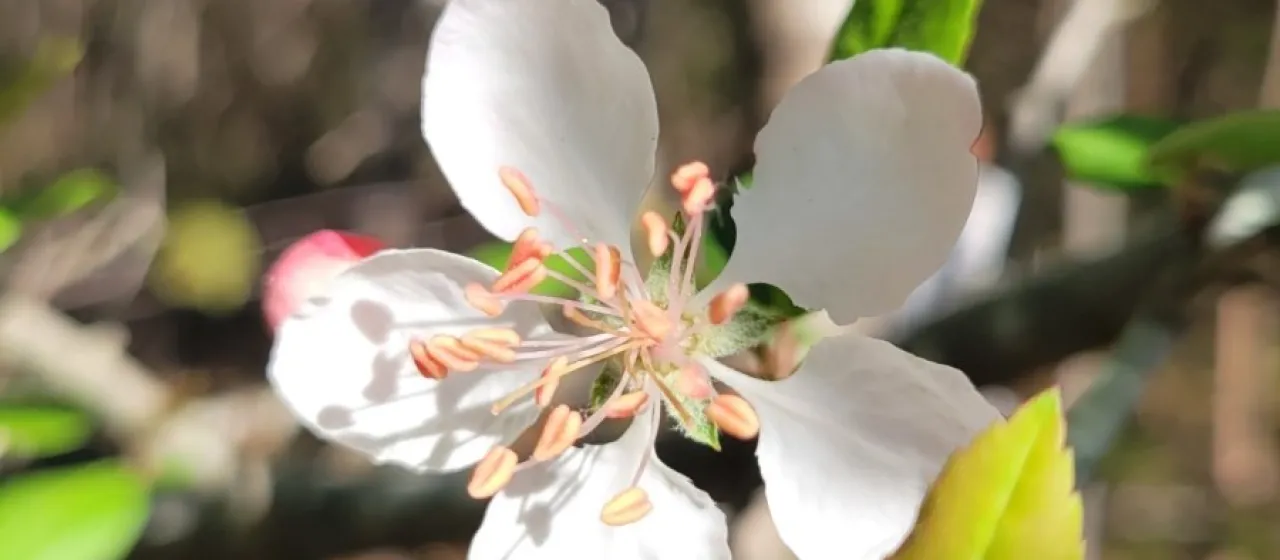
Botanically, it is recognized by its narrow, lance-shaped leaves, which are quite distinct from the broader leaves of common domestic apple trees. The tree reaches modest heights, often resembling a large shrub. Its flowers, which appear in mid-spring, are notably fragrant, displaying pale pink or white hues that are highly attractive to pollinators.
Cultivation requirements involve providing full sun exposure to maintain tree vigor and prevent disease. The species performs best in well-draining, slightly acidic soils. Like many trees in the Rosaceae family, it requires pruning to ensure good air circulation, especially when grown in orchards or managed landscapes where disease pressure, such as fire blight or rust, might be present.
Economically and agriculturally, the Southern crabapple is primarily valued as a rootstock candidate or a genetic resource for breeding programs aiming to improve disease resistance. While its small, tart fruits are edible, they are mostly ignored by commercial markets, though they are favored by foragers for making jellies, preserves, and traditional wild-food dishes.
- Excellent source of nectar for pollinators
- High tolerance to varied soil conditions
- Valuable genetic trait pool for breeders
- Ideal for wildlife-friendly landscape design