
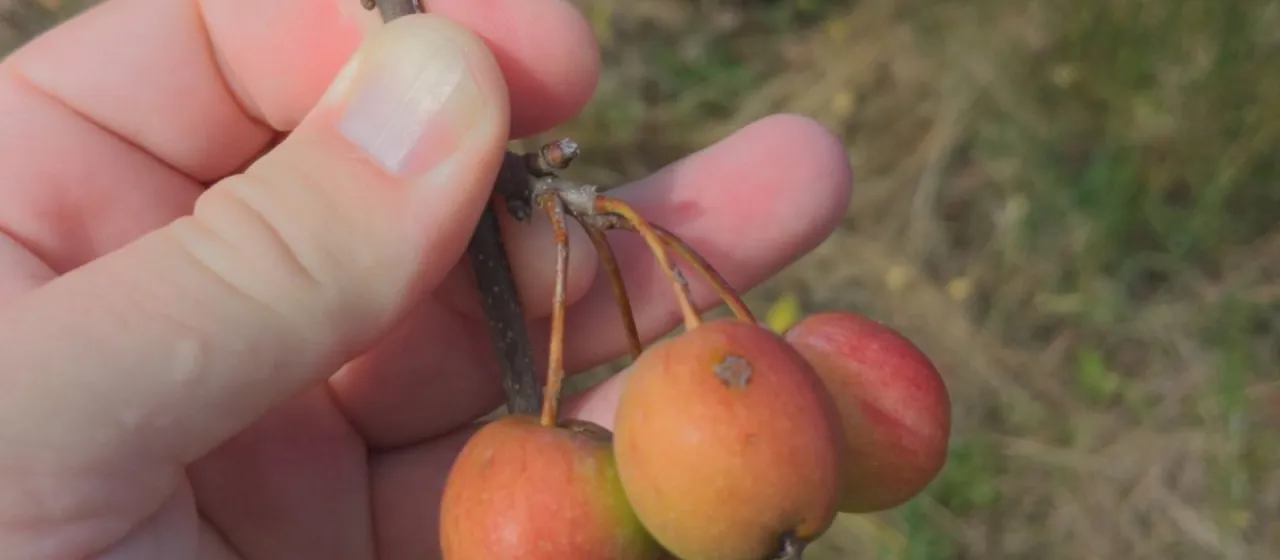
Description
The Dawson apple (Malus dawsoniana) is a distinctive species within the Rosaceae family. Known primarily as a rare, naturally occurring hybrid, it has garnered interest in pomology for its unique genetic traits. Originally discovered in North America, this species exhibits specific adaptations to its native habitats, making it a valuable resource for breeders looking to introduce hardiness into commercial apple cultivars.
Botanically, Malus dawsoniana displays a robust habit, typically growing as a deciduous tree with well-developed scaffold branches. Its leaves are structurally typical for the genus, yet often show subtle variations in pubescence and serration. During the spring, the tree produces blossoms that are highly attractive to pollinators, contributing to biodiversity within the orchard ecosystem.
Climate and soil requirements are essential for the health of this species. It thrives best in well-drained, loam-based soils that provide adequate moisture without waterlogging. While it is relatively adaptable to various environmental conditions, it prefers temperate regions with clear seasonal changes. In commercial or experimental settings, maintaining consistent soil fertility and proper irrigation is key to supporting vigor and fruit quality.
Good agricultural practices for this tree involve a standard maintenance routine similar to other Malus species:
- Annual pruning to maintain structure and airflow.
- Application of balanced fertilizers to support vegetative growth.
- Integrated pest management to monitor for common issues like aphids or scale insects.
- Winter protection in colder climates to prevent trunk damage.
The primary use of the Dawson apple lies in research and genetic conservation. Because it is not widely grown for mass commercial consumption, it serves as a critical reference for studying disease resistance. Typical diseases affecting this tree include common fungal pathogens such as apple scab, necessitating regular monitoring. Through careful cultivation, the unique biological characteristics of Malus dawsoniana are preserved for future agricultural advancements.