
Description
Dull-leaf crabapple (Malus glaucescens) is a deciduous tree species belonging to the Rosaceae family. It is a distinct member of the crabapple group native to North America, known for its specific leaf morphology and resilience in its natural habitat.
The species is primarily found in the eastern United States, ranging through various woodland margins and rocky slopes. Its natural distribution suggests a high tolerance for varied soil conditions within the temperate climatic zone, allowing it to thrive in diverse forest edge environments.
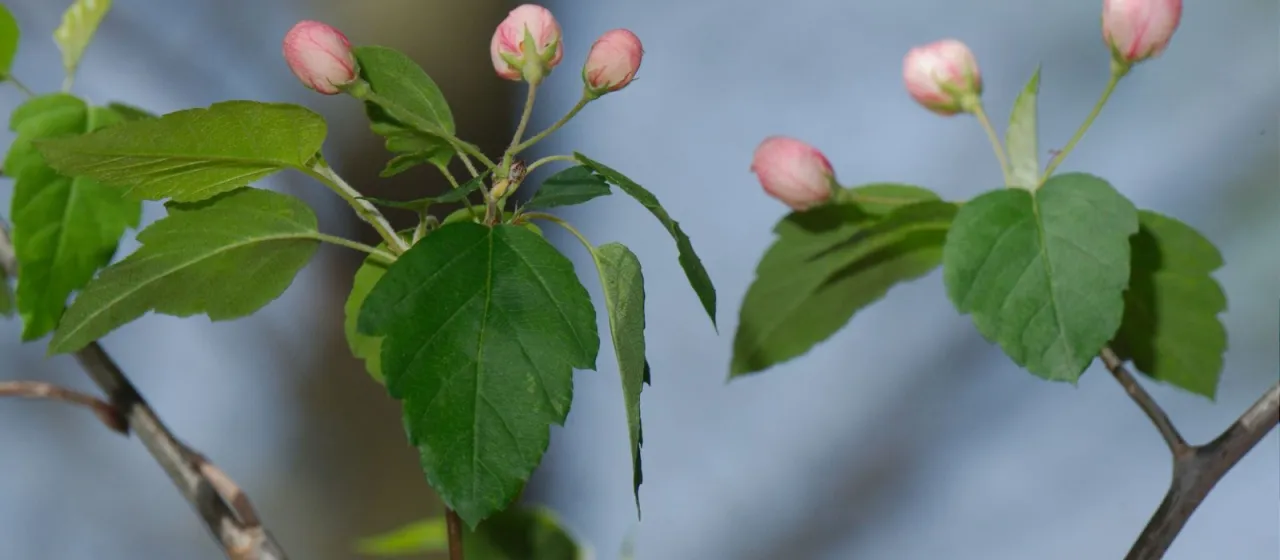
Botanically, the plant is characterized by its dull, glaucous (bluish-green) underside of the leaves, which distinguishes it from many other native crabapples. It produces clusters of white to pink flowers during the spring season, followed by small, firm fruits that remain on the branches until late autumn, serving as a food source for local wildlife.
Regarding cultivation, Malus glaucescens prefers well-drained, slightly acidic soils rich in organic matter. While it is hardy, the tree performs best in full sun, which promotes dense flowering and fruit production. Maintenance involves essential pruning to remove dead or diseased wood and ensuring consistent moisture levels during dry spells to prevent premature leaf drop.
The primary use of this species is in ornamental landscapes where a native, low-maintenance tree is desired. It is valued for its hardiness against pests that affect commercial apple varieties, though it can still be susceptible to common issues such as fire blight or cedar-apple rust. Proper site selection and sanitation practices remain the most effective methods for keeping the tree healthy and aesthetically pleasing in garden settings.