
Description
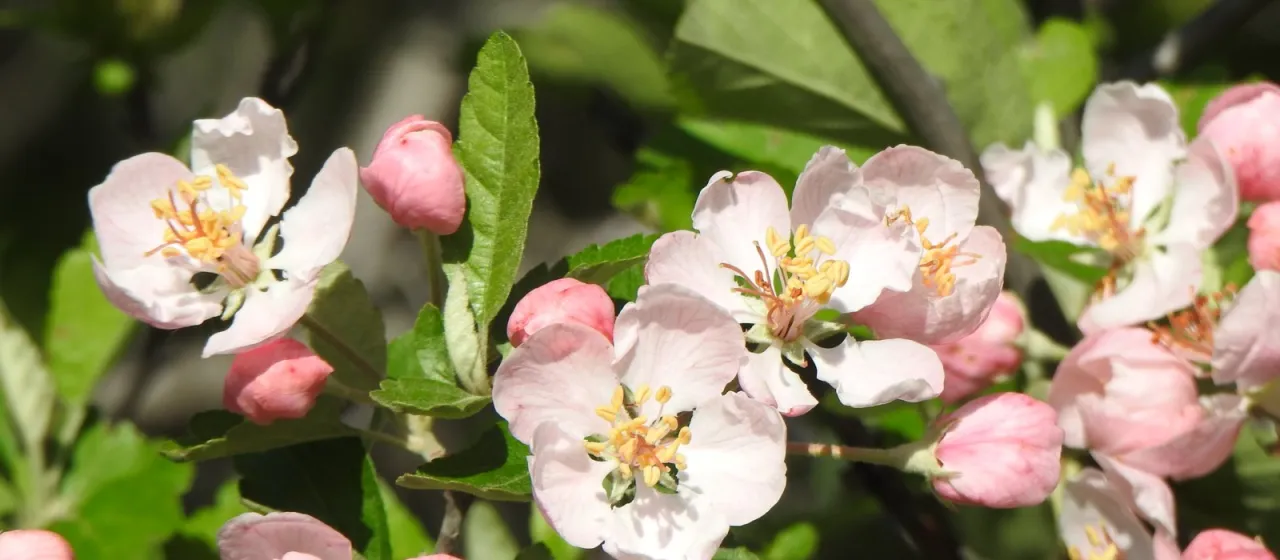
The Iowa crabapple (Malus ioensis) is a deciduous tree species belonging to the Rosaceae family. It is widely recognized for its high adaptability and ornamental beauty, particularly during the flowering season. While not a primary fruit crop for commercial consumption, it plays a vital role in ecological restoration and landscape horticulture due to its robust nature and aesthetic appeal.
Native to the North American Midwest, specifically the regions of the United States including Iowa, this species has evolved in diverse prairie and woodland environments. Its natural habitat is characterized by distinct seasonal transitions, which has granted the species impressive cold-hardiness and the ability to thrive in soil conditions where other, more domesticated apple varieties might struggle.
Botanically, the tree is defined by a dense, rounded crown and leaves that feature a distinctive pubescence on the underside. The flowers appear in late spring, displaying a pleasant fragrance and shades ranging from white to deep pink. The fruit is a small, hard pome that serves as a significant food source for birds and small mammals, contributing to local biodiversity.
Regarding cultivation, the Iowa crabapple performs best in full sun exposure, which ensures optimal foliage density and flower production. It requires fertile, well-draining soil with a pH level ranging from slightly acidic to neutral. While the species is relatively drought-tolerant once established, supplemental irrigation during extreme heat waves is recommended to maintain vigorous growth.
In terms of economic and practical use, Malus ioensis is frequently utilized as a hardy rootstock for grafting more sensitive fruit varieties. Its genetic profile is highly valued in breeding programs aimed at introducing resistance to specific environmental stressors. Growers should be mindful of potential issues, including:
- Infestations of aphids and leaf miners that affect leaf health.
- Susceptibility to fire blight in humid or stagnant air conditions.
- Cedar-apple rust, which can be mitigated through proper site spacing and air circulation.