
Description
The Manchurian crabapple (Malus mandshurica) is a deciduous tree belonging to the Rosaceae family. Renowned for its exceptional cold tolerance, it serves as a robust biological ancestor for many modern apple cultivars capable of surviving in harsh northern climates.
Its natural range encompasses the forests of East Asia, including Manchuria, parts of China, the Korean Peninsula, and Japan. This geographic distribution has shaped the tree's hardiness, allowing it to thrive in regions where temperature extremes and short growing seasons would kill most other fruit species.
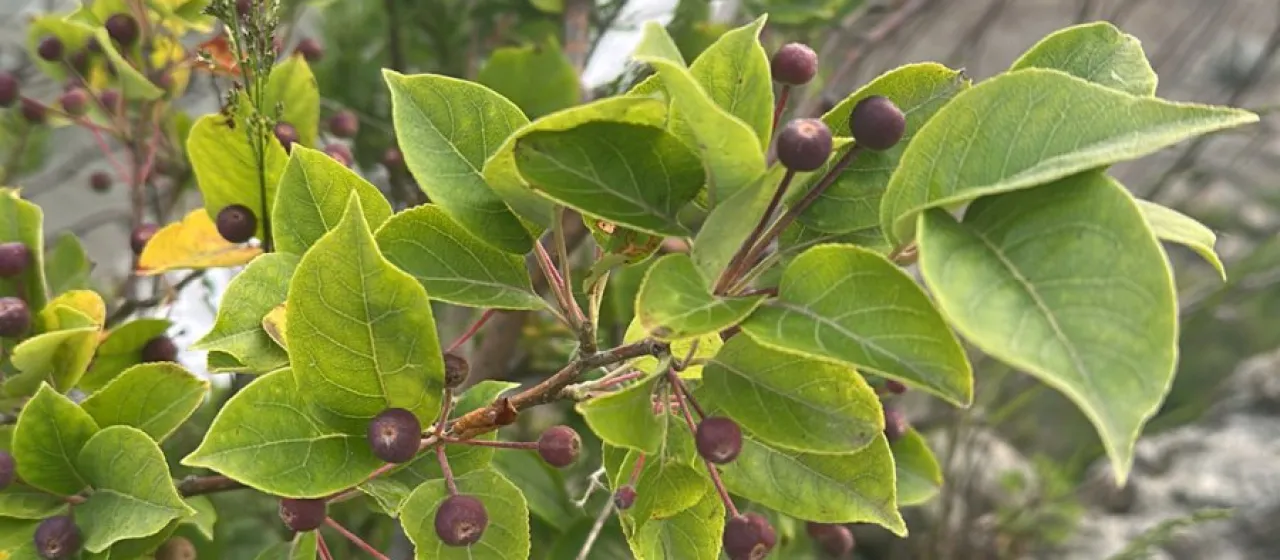
Botanically, the tree typically reaches significant heights and is recognized by its spreading crown and dense foliage. The spring bloom is particularly profuse, consisting of fragrant, white to light pink flowers that attract various pollinators. The fruit is small, often yellow-red, and possesses a high concentration of organic acids and tannins.
Agricultural requirements are minimal compared to domestic apple trees. Malus mandshurica prefers well-drained, fertile soil but demonstrates remarkable adaptability to various soil types. It is best suited for open, sunny locations where it can fully develop its root system and maintain its signature vigor throughout the growing season.
Common uses for the species include:
- Acting as a winter-hardy rootstock for grafting commercial apple varieties.
- Ornamental planting in parks and large gardens for spring color.
- Genetic conservation and breeding for disease-resistant cultivars.
- Use in permaculture designs for windbreaks and habitat creation.
While relatively tough, the tree can be susceptible to common pome fruit diseases such as apple scab and powdery mildew in humid environments. Pests like aphids and fruit moths are occasional threats. Integrated pest management, including regular inspection and dormant season pruning, is usually sufficient to maintain tree health.