
Description
The Oriental apple (Malus orientalis) is a deciduous tree belonging to the Rosaceae family. It is a highly valued species in the study of fruit tree genetics, often serving as a foundation for breeding programs due to its resilience, environmental adaptability, and rich biological diversity inherent in the species.
The native habitat of Malus orientalis is primarily centered around the Caucasus and Asia Minor regions. It thrives in diverse environmental conditions, typically found on mountain slopes and in forest ecosystems where it has naturally evolved to withstand fluctuating climates, ranging from harsh mountain winters to hot, dry summer periods.
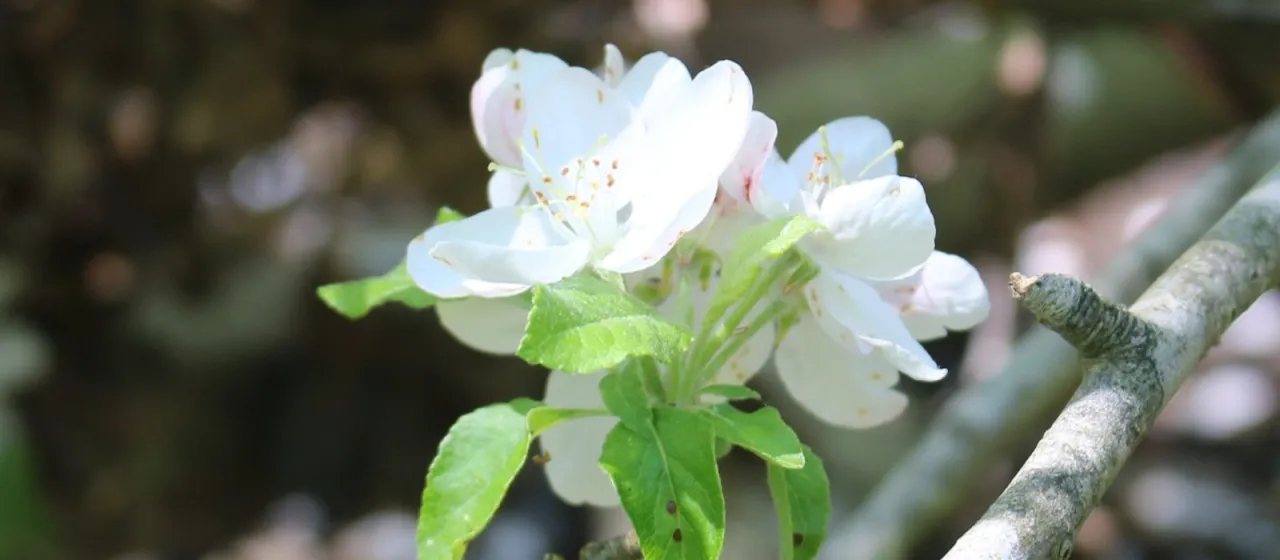
Botanically, the tree is characterized by a sturdy structure, reaching heights between 5 and 10 meters. Its foliage is usually ovate, providing a lush green appearance, while the blossoms are noted for their delicate shades of white and pink. The fruits produced are relatively small compared to modern domestic apples but possess a dense and distinct flavor profile suitable for specialized processing.
Regarding cultivation, this species requires full sun exposure and well-draining soil to perform optimally. It is particularly valued in professional horticulture as a rootstock, where its inherent hardiness is passed on to the grafted scion, enhancing drought tolerance and overall longevity of the orchard tree in challenging environmental conditions.
Common health issues that affect this species include fungal infections such as apple scab, especially in humid regions, and powdery mildew. Pests such as aphids and various types of leaf rollers can also pose risks. Effective management involves proper pruning to ensure air circulation and scheduled preventative spraying to maintain tree vigor and prevent significant yield loss.