
Description
The Chinese flowering crabapple (Malus spectabilis) is a prominent ornamental deciduous tree within the Rosaceae family. Known for its spectacular floral displays, this species is highly valued in horticulture for its upright to spreading habit and its ability to transform garden landscapes into vibrant settings during the spring season.
Originating from China, this tree has established itself as a staple in temperate climate gardens globally. It thrives in locations that offer full sun exposure and well-drained, fertile soil. Its ability to tolerate various environmental conditions makes it a versatile choice for both residential plantings and public parks, where it serves as a focal point during its peak blooming period.
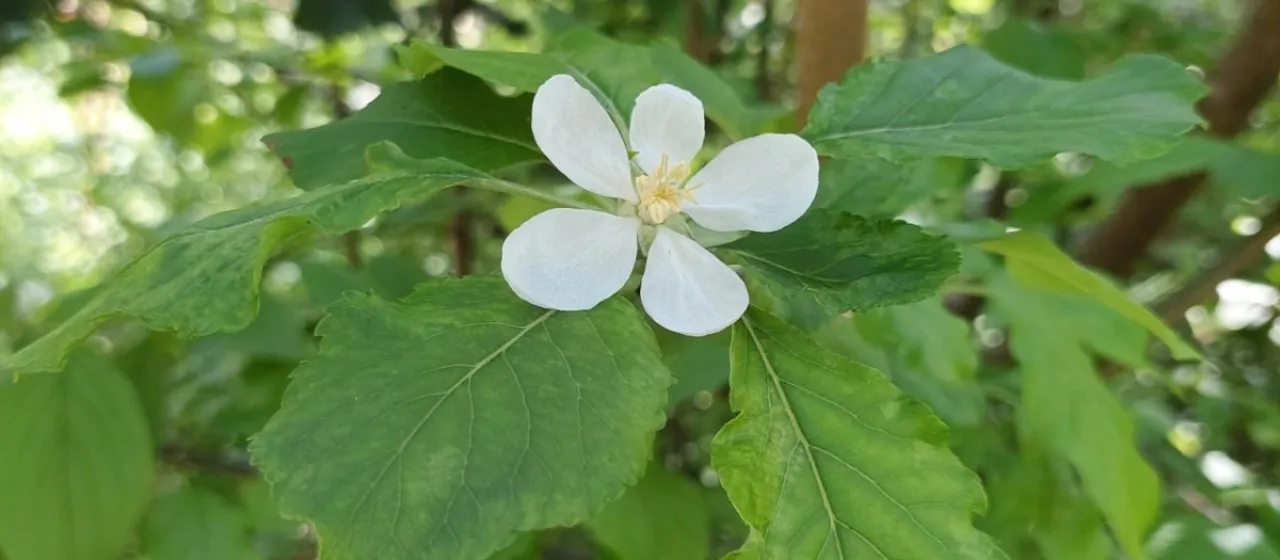
Botanically, Malus spectabilis is characterized by its elliptical, serrated leaves and large, fragrant flowers that typically appear in clusters of pink and white hues. The tree produces small, yellowish-green pome fruits which, while not primarily harvested for culinary purposes, provide an aesthetic transition from late summer into autumn, often persisting on the branches.
Successful cultivation requires consistent soil moisture management, especially for younger trees, and a balanced fertilization regimen applied in early spring. Pruning should be performed during dormancy to maintain structural integrity and improve air circulation through the canopy. While hardy, mulching the root zone helps preserve moisture and protects the root system during harsh winter conditions.
In terms of хозяйственное usage, the Chinese flowering crabapple is predominantly utilized for its ornamental qualities in landscaping. It is often planted as a specimen tree or in groups to create natural screens. Beyond its beauty, it holds potential in breeding programs for its disease resistance characteristics and as a robust rootstock for various apple cultivar developments.
- Apple scab
- Powdery mildew
- Aphids
- Rust disease