
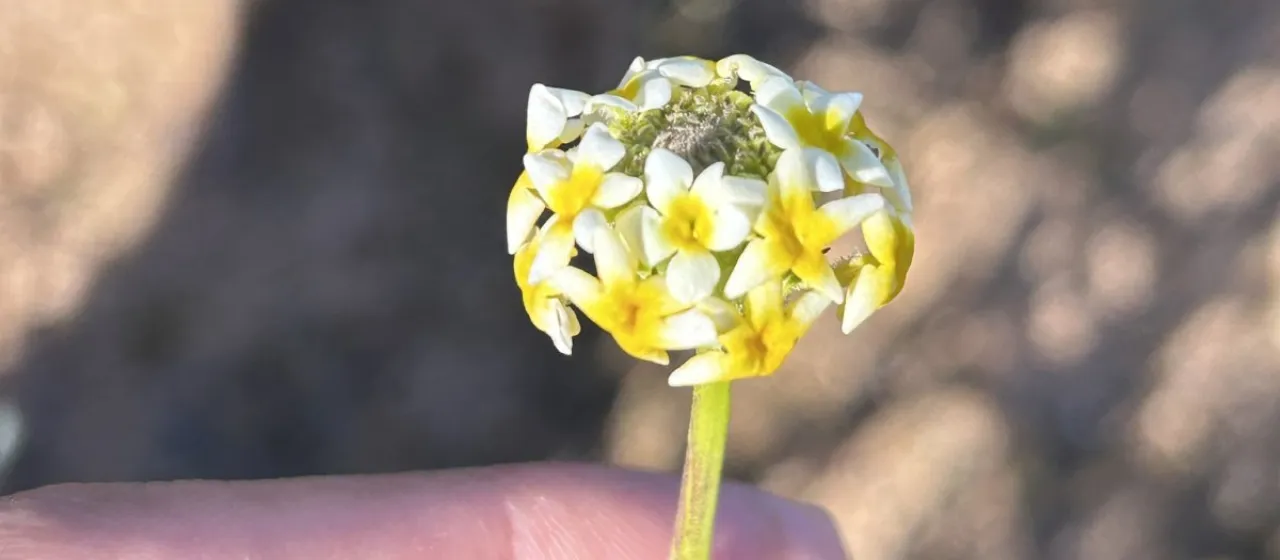
Description
Manulea altissima is a perennial herbaceous plant belonging to the Scrophulariaceae family. While not a large-scale commodity crop, it occupies a distinct niche in botanical horticulture, valued for its unique floral architecture and resilience in specific environmental conditions.
The plant originates from Southern Africa, where it has adapted to semi-arid and open environments. Its natural habitat is defined by seasonal rainfall patterns, which has shaped the plant's ability to withstand periods of low water availability while requiring sufficient light intensity to thrive throughout its active growth phase.
Botanically, Manulea altissima is characterized by its erect growth habit and dense spikes of small, often fragrant flowers. The leaves are typically arranged in a basal rosette, providing a structural foundation for the taller flowering stalks. This morphology makes it a specialized subject for both decorative landscaping and botanical study.
Cultivation requires strict attention to soil composition, which must be well-draining to mimic its native sandy or rocky habitat. Over-watering is the primary cause of failure in domestic cultivation, as the root system is highly susceptible to hypoxia and fungal rot when subjected to waterlogged conditions.
In terms of хозяйственного usage, it is primarily employed in rock gardens or specialized floral displays. Typical pests include common greenhouse insects, while disease risks are minimized by ensuring proper air circulation and strictly avoiding over-saturation of the substrate during the dormant season.
- Ensure full sun exposure for optimal bloom.
- Use mineral-based, porous soil mixes.
- Maintain low humidity levels around the foliage.