
Description
Manulea crassifolia is an herbaceous perennial plant belonging to the Scrophulariaceae family. Known for its compact habit and attractive, often fragrant floral displays, this species is increasingly recognized in horticulture for its resilience and unique aesthetic appeal in arid-themed gardens.
Originating from the rocky and arid regions of Southern Africa, this plant has evolved to thrive in environments with limited rainfall and intense sunlight. Its natural distribution is largely concentrated in the Cape region, where it occupies well-drained, nutrient-poor soil niches that discourage less hardy competitors.
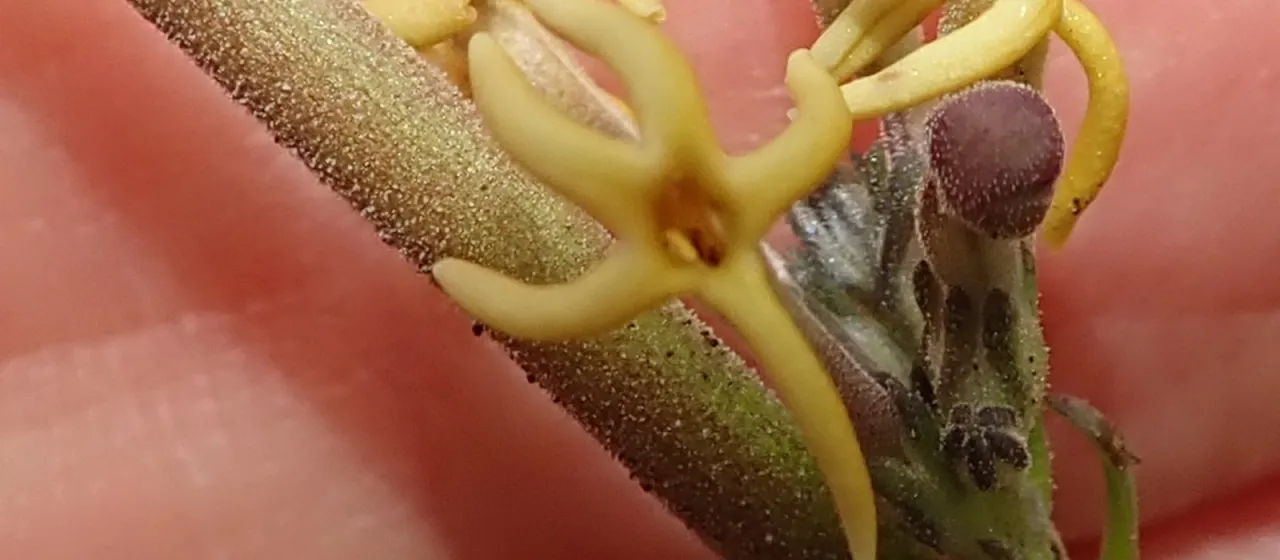
Botanically, Manulea crassifolia is defined by its succulent-like, thick leaves which allow it to store moisture. The flowers are typically arranged in dense, terminal racemes and are known for their vibrant yellow to orange hues. These blossoms provide a long-lasting display when growing conditions are optimal.
Cultivation requirements focus heavily on soil structure; plants must be grown in gritty, well-draining media. Waterlogging is the primary cause of failure, so careful irrigation management is essential. The species requires full sun exposure to maintain its compact shape and to ensure prolific flowering throughout the growing season.
In terms of usage, it serves as a distinct choice for rock gardens and container gardening. While generally robust, the plant can be affected by root rot if soil aeration is poor. Common pests include aphids and spider mites, which can be managed through regular monitoring and the application of appropriate biological or chemical treatments as needed.