
Description
Mecardonia vandellioides is a low-growing herbaceous perennial plant belonging to the Plantaginaceae family. Known in horticulture for its dense growth habit and vibrant yellow blooms, it has become a favored choice for landscape designers looking for reliable, long-blooming ground cover options.
Originating from South America, particularly Argentina and parts of Brazil, this plant thrives in climates that offer consistent moisture and warmth. While it behaves as a perennial in tropical and subtropical regions, in temperate zones, it is frequently cultivated as an annual or treated as a container plant that must be brought indoors during winter months.
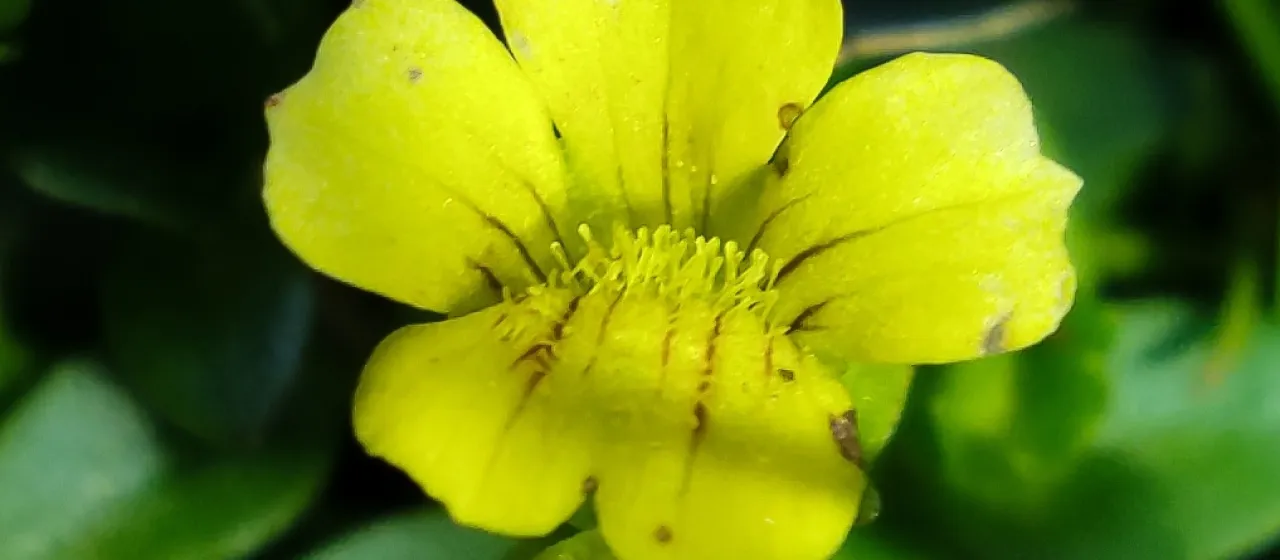
Botanically, Mecardonia vandellioides is characterized by its trailing stems that readily root at the nodes when in contact with moist soil. The foliage is small, opposite, and lanceolate, creating a dense, carpet-like structure. The plant produces numerous tiny, bright yellow flowers throughout the growing season, providing continuous visual appeal from late spring until the onset of autumn frosts.
Agricultural requirements for this crop focus on maintaining consistent soil moisture and providing adequate light. While the plant can tolerate partial shade, it performs best in full sun. The soil should be fertile and well-drained to prevent the buildup of stagnant water, which the plant does not tolerate well. Regular applications of balanced liquid fertilizers are recommended to sustain its energetic blooming habit.
- Excellent performance as a dense, weed-suppressing ground cover.
- High tolerance for high-humidity environments.
- Requires consistent irrigation to maintain bloom quality.
- Great potential for hanging baskets and container garden designs.
The primary use of Mecardonia vandellioides is in ornamental gardening and landscape architecture. Due to its sprawling nature, it serves as an excellent filler in flower beds and borders. Its ability to drape makes it a popular choice for hanging baskets, where its trailing stems can reach significant lengths, creating a waterfall-like effect of green foliage and golden flowers.
In terms of health management, the crop is generally resilient but susceptible to fungal infections if the growing environment is poorly ventilated or waterlogged. Root rot is the most common pathology resulting from overwatering. Pests, such as aphids and spider mites, may sporadically affect the plant during dry spells. Management strategies include maintaining proper spacing between plants and using selective insecticides to manage pest populations if necessary.