
Description
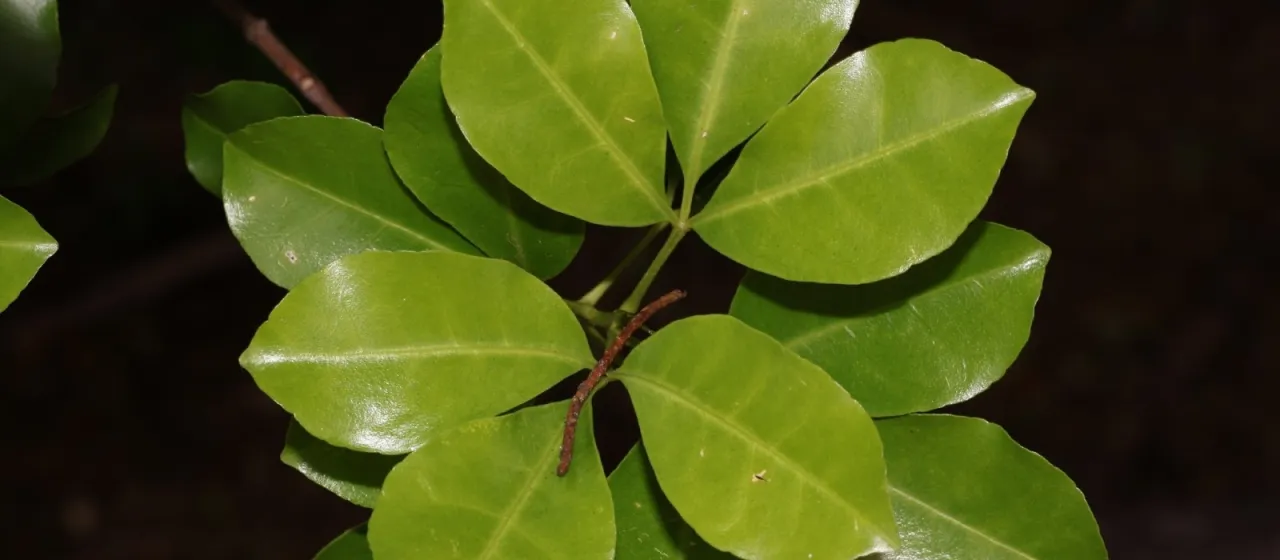
Melicope ternata, known in its native New Zealand as Wharangi, is an evergreen shrub or small tree belonging to the Rutaceae family. This species is widely recognized for its trifoliate, glossy, and aromatic leaves, which release a distinct scent when crushed, typical of its botanical family.
Originating from the coastal and lowland forests of New Zealand, this plant has adapted to temperate and subtropical climates. Its natural habitat includes diverse soil types, ranging from volcanic soils to more sandy coastal substrates, reflecting its inherent resilience and adaptability to varying environmental conditions.
Botanically, Melicope ternata is characterized by its opposite, three-foliate leaves that feature translucent oil glands. The flowers are small, usually occurring in clusters, which serve as a source of nectar for local pollinators. The fruit is a dehiscent capsule, which splits open to release small, dark, and shiny seeds upon maturation.
Cultivation requires well-drained, fertile soil with a neutral pH. The plant performs best in a position that offers shelter from cold, drying winds, which can damage the leaves. Adequate irrigation is necessary during the establishment phase, though mature specimens demonstrate a moderate level of tolerance to dry spells.
In terms of хозяйственного usage, Wharangi is primarily utilized in ornamental horticulture for hedge formation and native garden planting schemes. It is susceptible to common pests such as aphids and scale insects, while poor drainage can lead to root rot. Maintaining healthy plants requires proper spacing, aeration, and timely monitoring for fungal infections during the humid seasons.
- Family: Rutaceae
- Origin: New Zealand
- Plant Type: Evergreen shrub
- Needs: Well-drained soil, wind protection
- Use: Ornamental and hedge plant