
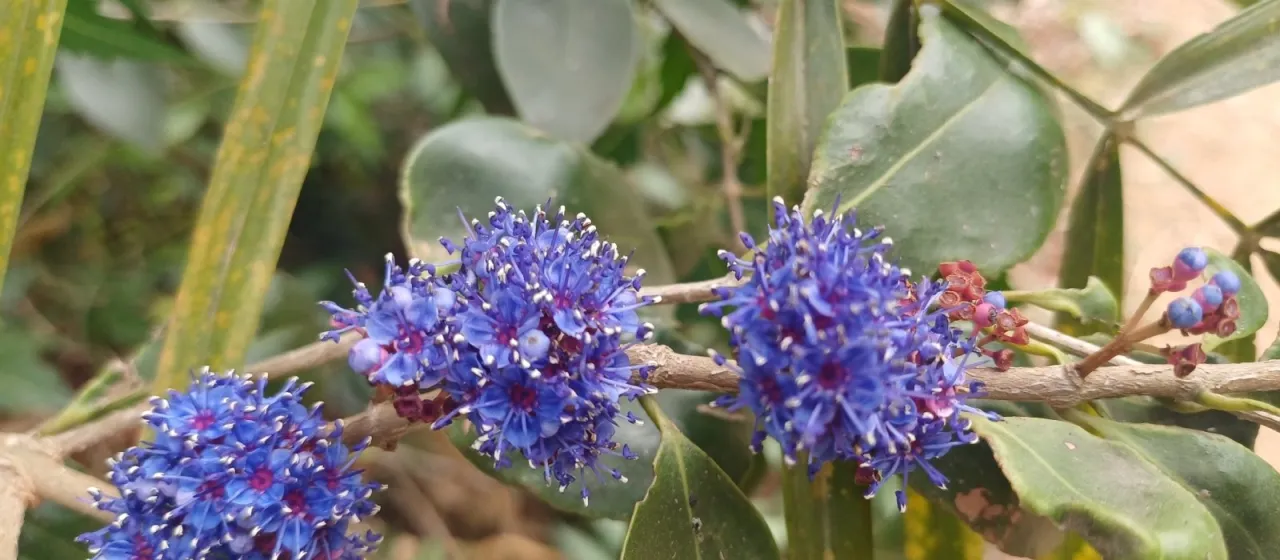
Description
Memecylon umbellatum, commonly known as Ironwood, is a significant evergreen shrub or small tree belonging to the Melastomataceae family. This species is highly regarded for its dense foliage and vibrant, umbrella-like clusters of flowers, which are characteristic of its taxonomic group in the tropical belts of Asia.
The plant is native to the tropical regions of India and Sri Lanka. It primarily thrives in the understory of moist deciduous and evergreen forests. Due to its adaptation to high humidity and varied shade conditions, it has become a plant of interest in both reforestation projects and tropical landscaping.
Botanically, the plant is distinguished by its leathery, opposite, ovate leaves and small, bright blue or purple flowers. The fruit is a small, berry-like drupe that turns dark purple or black upon maturity. Its wood is known for being remarkably hard and durable, which is reflected in its common name, Ironwood.
Cultivation requires stable tropical temperatures and well-drained, slightly acidic soil. In agricultural or garden settings, it is essential to ensure consistent moisture levels, as the plant does not tolerate prolonged drought. Regular pruning is recommended to maintain a manageable size and to encourage denser flowering, especially when used for decorative hedges.
Economic and practical uses include:
- Traditional medicinal applications, particularly in Ayurvedic practices to treat inflammation.
- The use of wood for small-scale tool handles and furniture due to its hardness.
- Extraction of natural dyes from the leaves and berries for local textile industries.
- Use in sustainable landscaping to stabilize soil in hilly tropical areas.
The plant is generally robust, although it can be susceptible to typical tropical greenhouse pests such as scale insects and aphids. Management strategies include manual removal for minor infestations or the application of organic horticultural oils. Keeping the environment well-ventilated is the primary preventative measure against fungal infections in moist climates.