
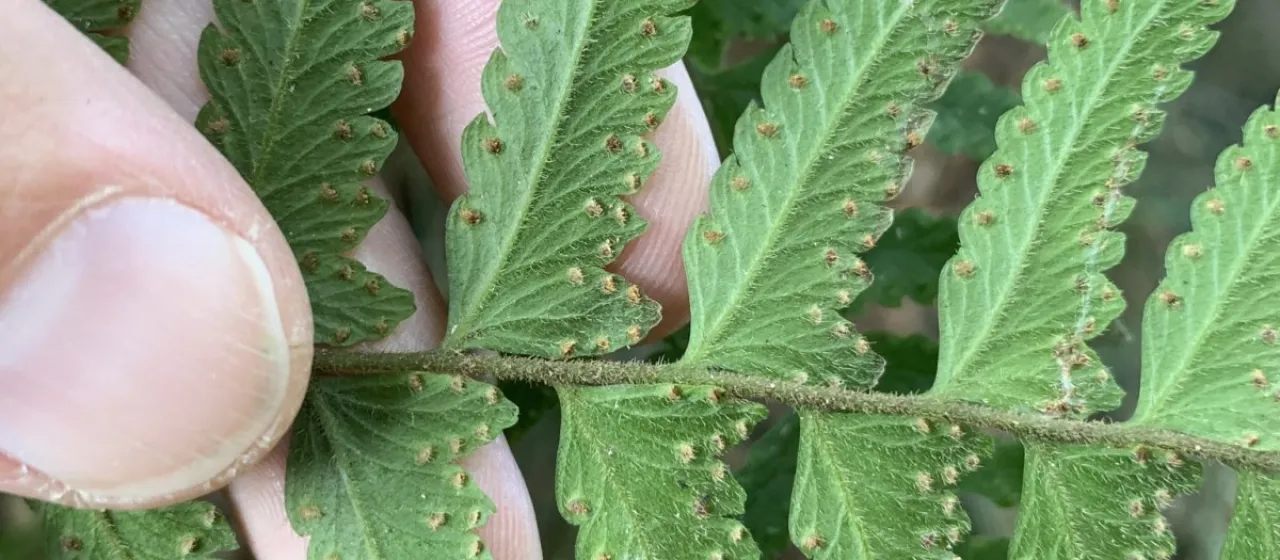
Description
Microlepia marginata is a perennial fern belonging to the Dennstaedtiaceae family. In horticultural practice, this species is highly regarded for its elegant, arching fronds and vigorous growth habit. As a cultivated plant, it offers a sophisticated aesthetic, making it a popular choice for both professional nurseries and interior plantscaping projects.
The plant originates from the forested regions of East and Southeast Asia, including parts of China and Japan. In its native habitat, it thrives under the canopy of trees, which dictates its preference for shaded environments and consistent humidity. Understanding these origins is critical for successful cultivation, as it requires mimicking these forest-floor conditions to maintain optimal health and vigor.
Botanically, Microlepia marginata is characterized by its rhizomatous growth, which allows for robust expansion. The fronds are typically lanceolate and pinnately divided, displaying a deep green hue. A notable morphological feature is the distinct margin of the pinnae, which provides the species with its specific epithet. The plant structure is designed to maximize light capture in low-light environments.
For successful agricultural production, the substrate must be well-drained, porous, and slightly acidic. Consistent moisture management is the cornerstone of its care; the soil should never be allowed to dry out completely, nor should it become waterlogged. Temperature stability is equally important, as the plant prefers a temperate range and shows significant stress when subjected to rapid thermal fluctuations or drafts.
The primary use of this fern is in ornamental horticulture, where it is utilized for indoor displays, hanging baskets, and ground cover in temperate conservatory environments. Managing the crop requires vigilance regarding common pests and diseases that threaten foliage quality. Key management challenges include:
- Spider mite infestations during periods of low atmospheric humidity.
- Root rot caused by poor drainage and excessive watering.
- Scale insect accumulation on the undersides of the fronds.
- Leaf tip necrosis due to high mineral salt concentrations in the soil.