
Description
Microlepia speluncae, commonly referred to as the Spleenwort-leaf fern, is a perennial fern species belonging to the family Dennstaedtiaceae. It is widely recognized in professional horticulture as a high-value ornamental crop, prized for its vigorous growth habits and delicate, finely dissected fronds that provide excellent aesthetic quality for commercial interior landscaping.
The native distribution of this species spans the tropical and subtropical regions of the Old World, including Africa, Asia, and the Pacific Islands. In commercial agricultural practice, it is cultivated in greenhouses or climate-controlled environments that mimic its natural understory habitat, providing the necessary humidity and stable temperatures for optimal frond development.
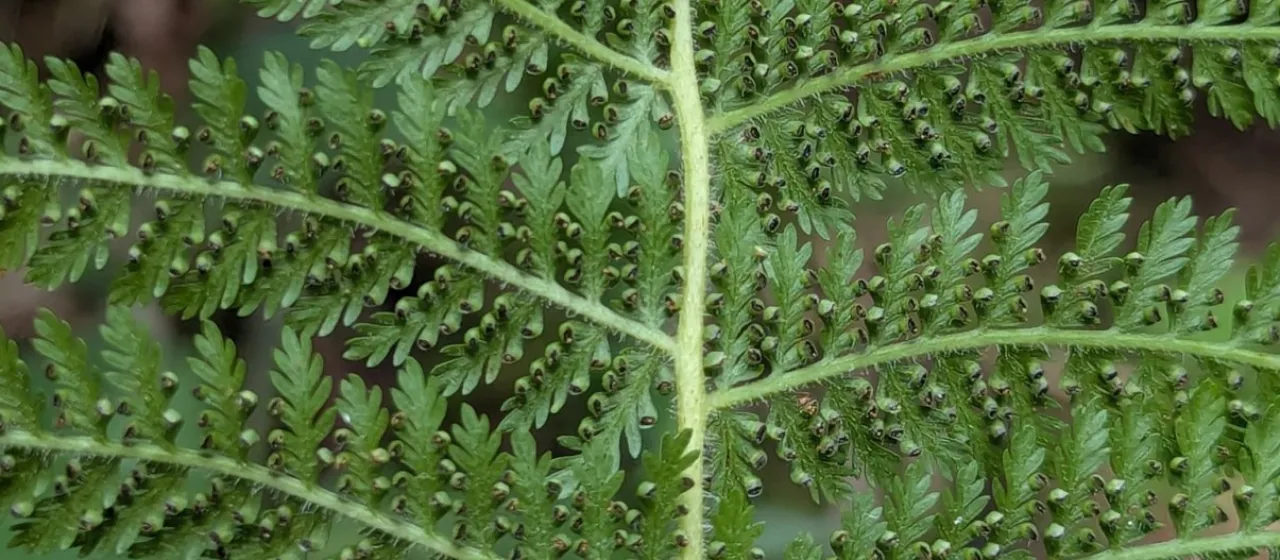
Botanically, Microlepia speluncae is characterized by a creeping rhizome system that supports long, arching fronds. The fronds are bipinnate to tripinnate, creating a lace-like appearance. The plant typically reaches a substantial size, making it a popular choice for larger decorative planters or as a ground-covering element in indoor botanical gardens.
Cultivation requirements involve a well-draining, organic-rich potting medium, ideally with a slightly acidic pH level. In terms of environmental control, it demands a consistently moist root zone and high ambient humidity. The crop performs best in shaded or semi-shaded environments, as direct light can cause dehydration and necrosis of the sensitive leaf tissues.
The primary economic value of this crop lies in the nursery trade. Growers must be vigilant against common fern pests such as scale insects, aphids, and spider mites. Furthermore, root health is paramount; diseases such as root rot, often caused by Phytophthora or Pythium species, are the most frequent risks associated with over-irrigation in stagnant soil conditions.