
Description
Miliusa brahei is a woody plant species that belongs to the Annonaceae family. This genus is well-regarded in botanical circles for its unique floral morphology and role in tropical ecosystems. While not widely cultivated as a commercial food crop, it holds significance in specialized tropical horticulture and the preservation of rare plant species.
The plant originates from the tropical regions of Southeast Asia and parts of Australia. Its natural habitat consists of humid, shaded forest environments where temperature fluctuations are minimal throughout the year. Because of this, it is highly sensitive to environmental stressors and requires precise conditions to flourish when cultivated outside its native range.
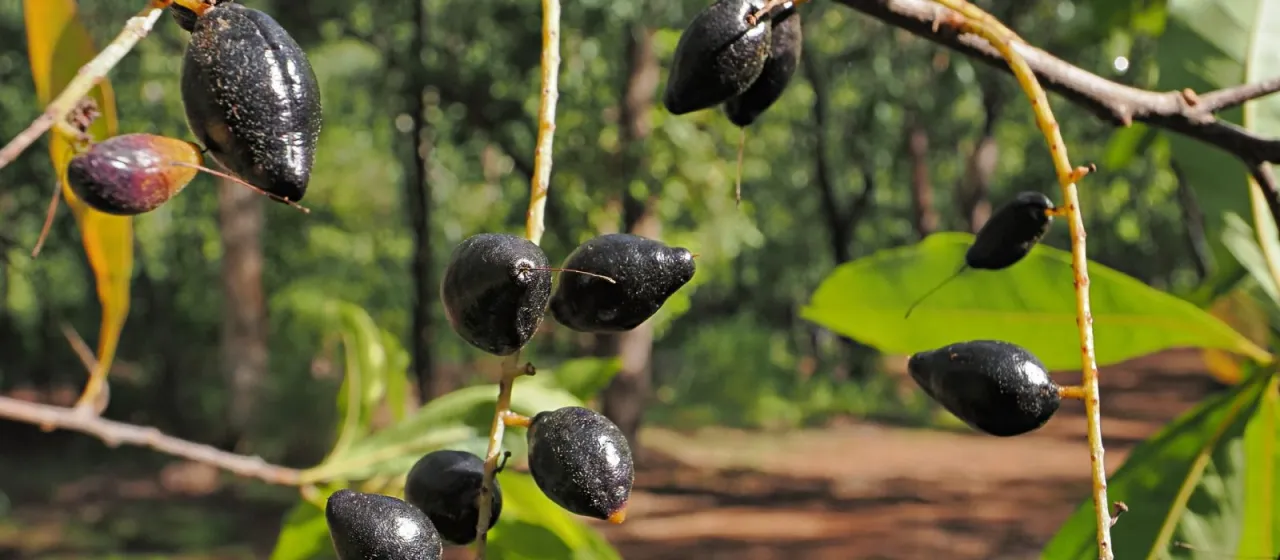
Botanically, Miliusa brahei is characterized by a sturdy stem structure and dense, alternate foliage. The flowers are typically solitary or arranged in small clusters, featuring thick sepals and petals that protect the reproductive organs. The fruits are aggregates of monocarps, a common trait in this family, which contain seeds dispersed by local wildlife in the wild.
Agricultural success with this species depends on providing well-draining, nutrient-rich substrates with a slightly acidic pH. The plant thrives in environments with high humidity and consistent moisture levels. In managed settings, such as greenhouses or tropical orchards, ensuring air circulation is just as important as irrigation to prevent the accumulation of moisture on the leaves.
The plant is primarily utilized for ornamental purposes and botanical study. When considering disease management, the most frequent issues are root rot caused by poor soil drainage and leaf spot diseases induced by fungal pathogens in stagnant air. Pest control is generally centered on monitoring for common greenhouse pests like spider mites and scale insects, which can weaken the plant if left untreated.
- Thrives in partial shade conditions.
- Requires a steady supply of organic fertilizers.
- Susceptible to waterlogging if soil drainage is inadequate.
- Prefers high ambient humidity levels for healthy growth.