
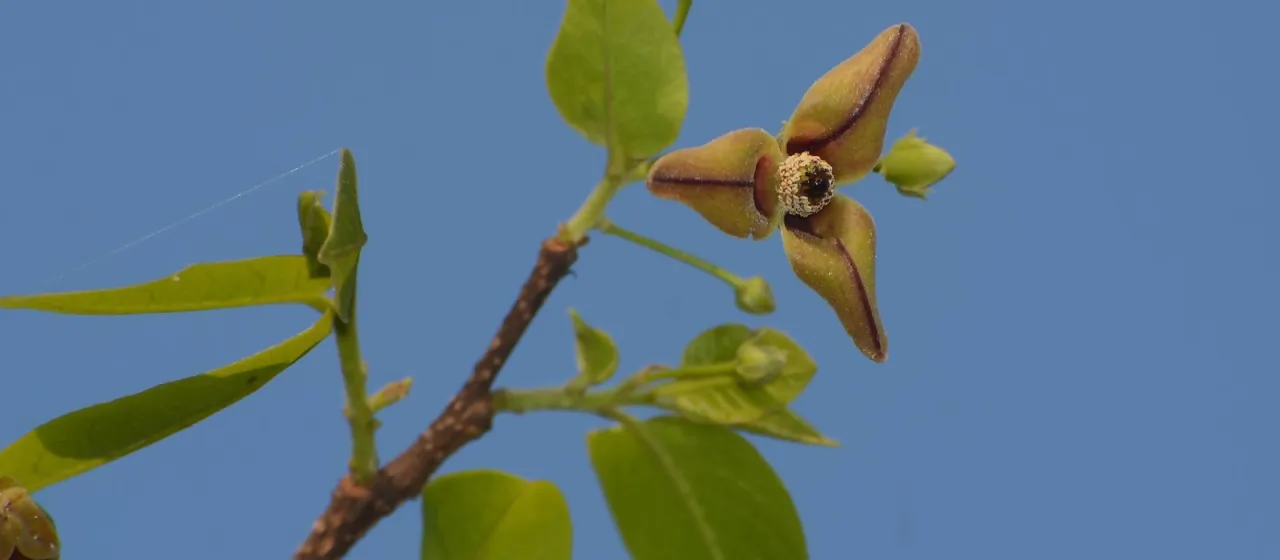
Description
Miliusa tomentosa is a deciduous tree species belonging to the Annonaceae family. Known for its distinct botanical properties and resilience, this plant is categorized as a significant woody species in the tropical ecosystems of Asia. Its ability to adapt to varying moisture conditions makes it an interesting subject for tropical forestry studies.
The origin of this species is traced to the Indian subcontinent and parts of Southeast Asia, including regions of Myanmar and Thailand. It naturally thrives in dry deciduous forests, where it forms part of the understory or the secondary canopy. The tree is well-adapted to the monsoon climate, exhibiting clear seasonal growth patterns synchronized with rainfall.
Botanically, the tree is identified by its tomentose (hairy) leaves and shoots, which protect it from excessive transpiration. The flowers are typically solitary, featuring greenish-yellow petals that are characteristic of the Annonaceae family. The tree can attain a height of 15 to 20 meters, with a trunk diameter that can vary significantly based on site quality.
Regarding agrotechnical requirements, Miliusa tomentosa demands well-drained, fertile soil and full to partial sunlight. It is relatively drought-tolerant once established but performs best when given consistent access to groundwater during its formative years. Propagation is generally successful through seeds, which require specific temperature conditions for optimal germination.
The primary economic and practical uses for this species include:
- Utilization of its durable timber for construction and agricultural tool making.
- Potential applications in traditional medicine where various plant parts are used.
- Landscape management and forest restoration in subtropical climates.
The tree is susceptible to several environmental stressors, particularly root rot caused by poor soil aeration and waterlogging. In terms of pest management, monitoring for xylophagous insects is essential to protect the structural integrity of the timber. Regular silvicultural practices, such as clearing competing undergrowth, significantly enhance the tree's overall growth rate and health.