
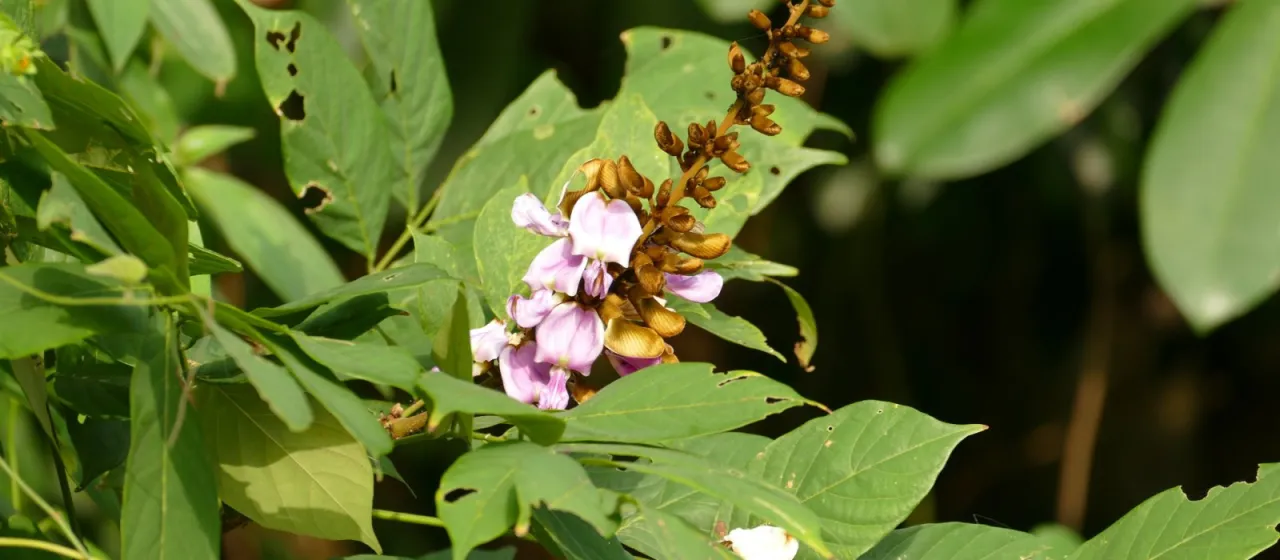
Description
Millettia zechiana is a prominent woody plant belonging to the Fabaceae (legume) family. Often identified as a large tropical tree, it plays a vital role in forest ecosystems and provides significant ecological benefits, primarily through its ability to interact with soil microorganisms to enrich land quality.
The origin of this species is traced to the humid tropical forests of West Africa. Its natural range is characterized by high rainfall and stable warm temperatures. The tree typically thrives in forest fringes and areas where the canopy allows sufficient space for its expansive growth, requiring a stable tropical climate to reach maturity.
Botanically, Millettia zechiana is recognized by its pinnately compound leaves and characteristic papilionaceous flowers. Its wood is highly regarded for its durability and structural integrity, making it a valuable resource in local and regional trade. The tree's root system is notably efficient at nutrient uptake, contributing to its competitive strength in diverse forest soils.
Agronomic requirements for this species focus on providing well-drained, nutrient-rich soils. While the tree is robust, proper management during the seedling stage—including weed control and moisture regulation—is essential for rapid establishment. In commercial or agroforestry settings, spacing is a critical factor to prevent competition for light and water among mature specimens.
Economic and agricultural use centers on timber production and ecosystem restoration. Because it is a legume, it helps in nitrogen fixation, which can naturally improve soil fertility for intercropped plants. Regarding plant health, maintaining proper aeration is the best prevention against root rot and fungal pathogens, while regular inspections help manage occasional attacks from tropical insect borers.
- Excellent capacity for soil improvement through nitrogen fixation
- High-quality timber for artisanal and industrial use
- Adaptability to specific tropical soil profiles
- Necessity for balanced shading during early development