
Description
Mitrastemon yamamotoi is a fascinating parasitic plant belonging to the family Mitrastemonaceae. Unlike traditional crops, this species lacks chlorophyll and functions as an obligate root parasite, extracting all necessary nutrients and water from the roots of its host trees, which are typically members of the Fagaceae family.
The native distribution of this plant is restricted to specific regions in East and Southeast Asia, including Japan, Taiwan, and parts of China. It thrives in humid forest environments, where it remains hidden beneath the soil surface for the majority of its life cycle, only appearing above ground during the flowering season to facilitate reproduction.
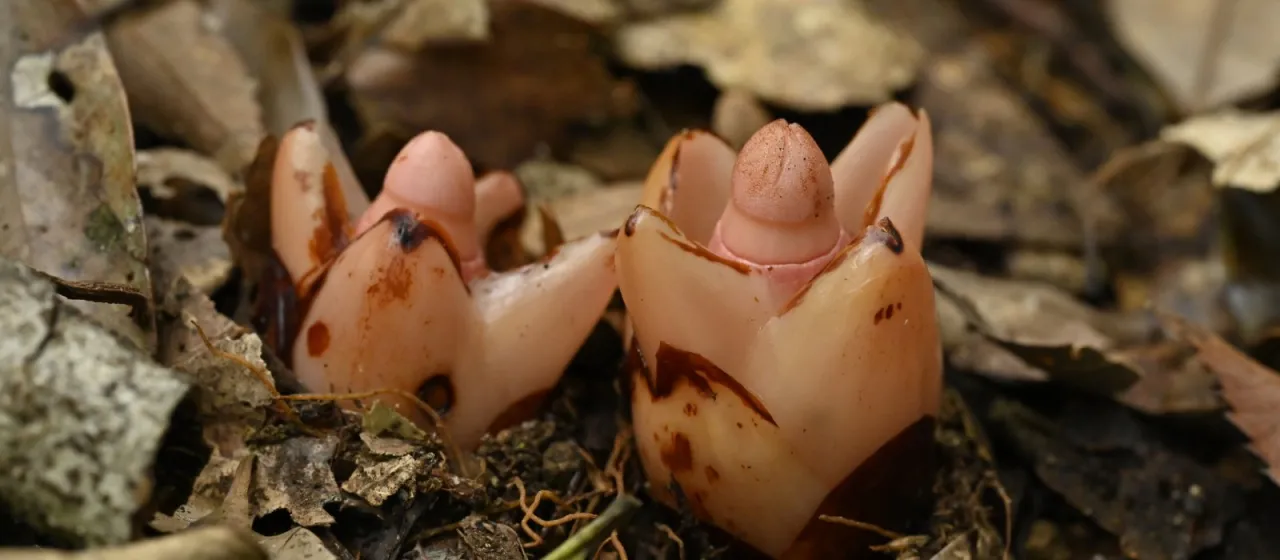
From a botanical perspective, the plant is quite remarkable. It does not possess leaves or typical stems; instead, its vegetative structure consists of an endophytic tissue network that permeates the host's root system. The only visible part is a fleshy, flower-bearing structure that pushes through the soil litter, often resembling a small fungal bloom.
Regarding agrotechnical requirements, Mitrastemon yamamotoi cannot be cultivated using standard farming techniques. Its survival is intrinsically linked to the health of its host trees and the stability of the local forest microclimate. Because it cannot be grown in a controlled agricultural setting, there are no established fertilization, irrigation, or soil management protocols for it.
There are no significant commercial or agricultural uses for this species. It is primarily of interest to botanists and ecologists studying the evolutionary biology of parasitic plants. While the plant itself is not prone to typical agricultural pests, its populations are highly vulnerable to habitat destruction and environmental changes that affect the density and vitality of its host trees.