
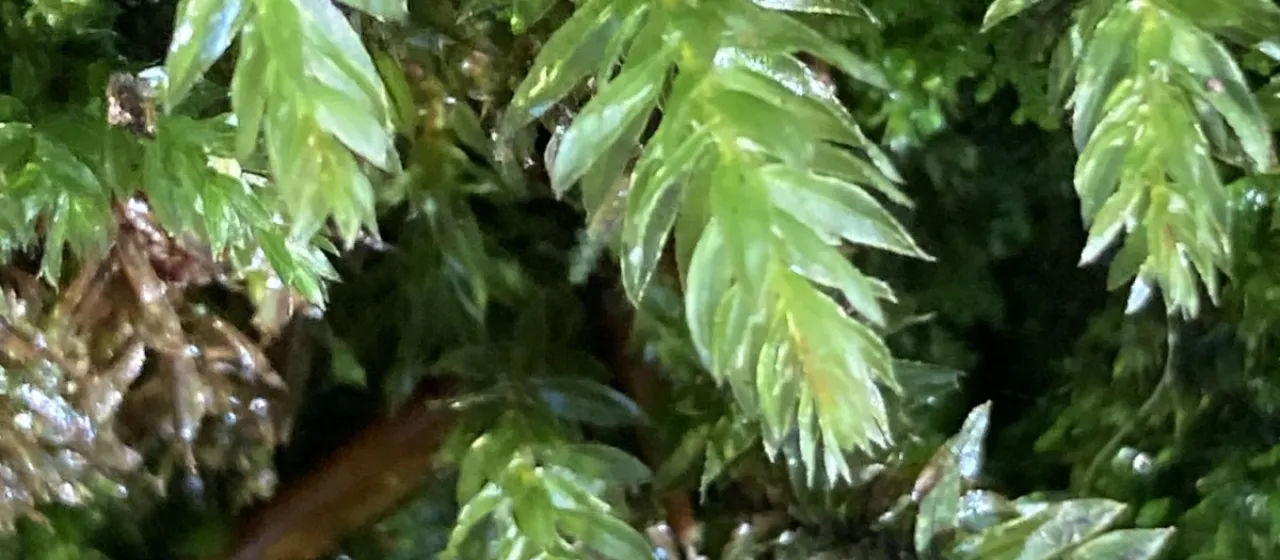
Description
Swan's-neck thyme-moss (Mnium hornum) is a perennial bryophyte belonging to the Mniaceae family. While not a traditional food crop, it is a significant horticultural commodity used extensively in specialty plant cultivation, landscape architecture, and indoor biological installations.
The species is indigenous to the temperate regions of the Northern Hemisphere, widely distributed across Europe, North America, and parts of Asia. It thrives in shaded, high-humidity environments, typically colonizing acidic woodland soils, rotting logs, and the banks of streams, serving as a primary stabilizer of forest floor micro-ecosystems.
Botanically, the plant consists of erect, leafy stems that form dense, lush green carpets. The leaves are distinctively lanceolate with a sharp central vein and serrated margins. During its reproductive phase, the moss produces sporophytes — elegant, slender stalks topped with spore-bearing capsules, which are a characteristic feature of this species in its natural habitat.
Cultural requirements for Mnium hornum demand a stable microclimate. Successful cultivation relies on high ambient humidity levels, protection from direct sunlight to prevent desiccation, and a growing medium with a low pH (typically sphagnum-based). Irrigation must be performed with soft or distilled water, as tap water minerals can lead to the rapid deterioration of the plant's delicate tissues.
Economically, this moss is utilized for professional terrarium design, paludarium setups, and biological research. It is highly valued for its aesthetic appeal and ability to retain moisture. Pests such as slugs are the primary threat in controlled environments, whereas fungal pathogens (molds) typically emerge only when aeration is insufficient or the moisture levels are excessive, leading to decay.