
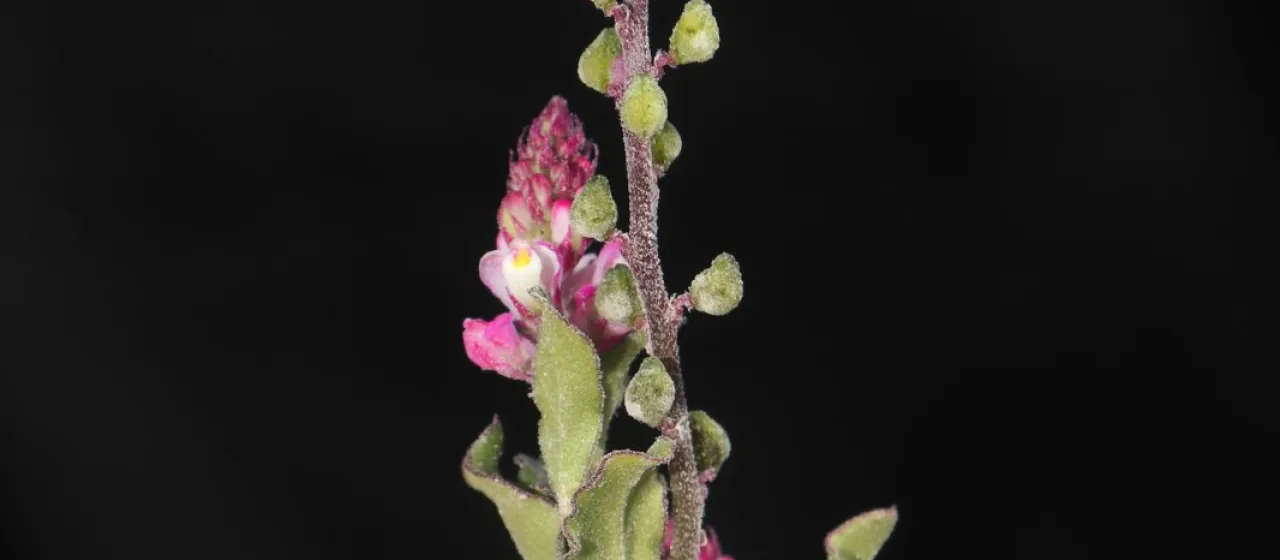
Description
Monnina macrostachya is a perennial plant species belonging to the Polygalaceae family. It is a distinct botanical entity known primarily for its presence in high-altitude environments. As a crop or specialized plant, it is recognized for its structural complexity and the unique adaptation mechanisms that allow it to thrive in challenging mountainous regions where atmospheric conditions are demanding.
The native distribution of this species is centered in the Andean regions of South America, spanning countries such as Colombia, Ecuador, and Peru. It is adapted to high-altitude ecosystems, thriving in cool climates with significant diurnal temperature fluctuations. This evolutionary history makes the plant particularly resilient to the environmental stressors that typically limit the productivity of traditional agricultural crops in high-elevation zones.
Botanically, Monnina macrostachya is characterized by its shrubby growth habit and distinct inflorescences. The flowers are typically arranged in long, dense spikes, which is a hallmark of the species. Its leaves are simple and often leathery, an adaptation to manage transpiration in high-altitude environments. The root system is deep and efficient, designed to stabilize the plant on rocky slopes and absorb nutrients from mineral-rich volcanic soils.
Agricultural requirements for this species are specific: it necessitates well-drained soil with a slightly acidic pH. The plant performs best in environments that mimic its natural habitat, requiring moderate temperatures and high humidity levels. In a cultivation setting, it is critical to ensure proper drainage to prevent root rot, which is the most frequent cause of failure in domestic or greenhouse propagation of this species.
The economic and practical utility of Monnina macrostachya is currently focused on niche applications, including landscape restoration and as a potential source of bioactive compounds such as saponins. Common plant health issues include fungal infections during periods of excessive humidity and susceptibility to typical greenhouse pests like spider mites. Ongoing research aims to better understand its optimal harvest cycles and potential for broader agricultural integration.
- Adapted to high-altitude Andean environments.
- Requires well-drained, acidic soil types.
- Produces characteristic long, dense flower spikes.
- Susceptible to root rot if drainage is inadequate.