
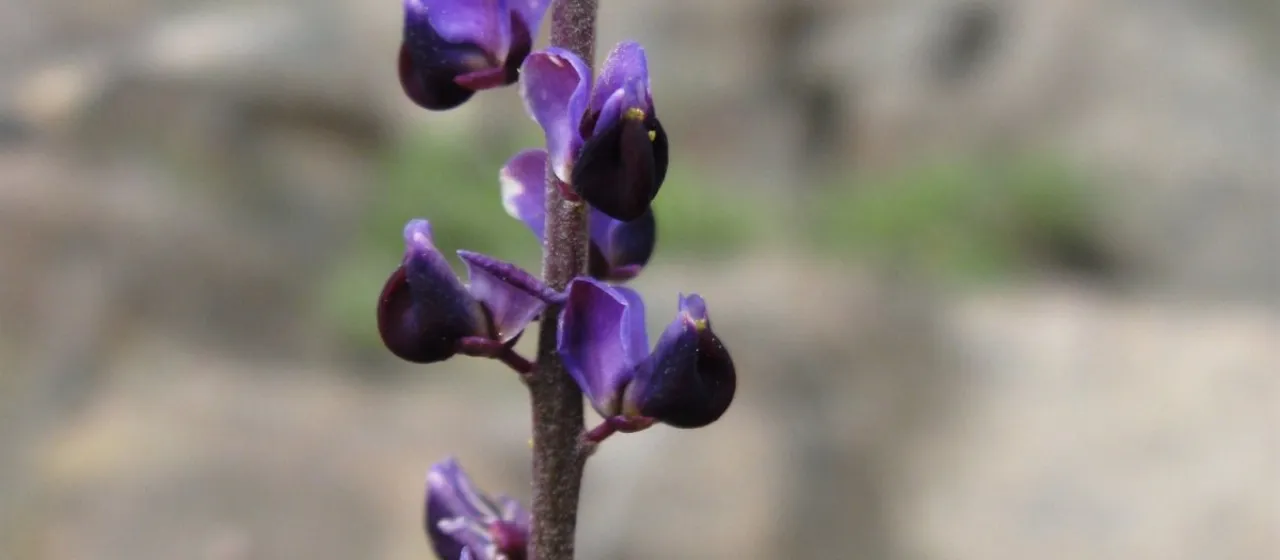
Description
Monnina pterocarpa is a botanical species belonging to the Polygalaceae family. While not a widely distributed commercial crop, it holds significant interest in agronomic research due to its specialized adaptation to high-altitude environments and its unique physiological characteristics that distinguish it within its family.
The plant originates from the Andean regions of South America. Its natural habitat is defined by the unique climatic conditions of these mountainous areas, characterized by significant temperature fluctuations between day and night, as well as specific soil compositions typical of volcanic and metamorphic formations.
Botanically, Monnina pterocarpa is a perennial herbaceous plant or small shrub. Its most notable feature is the fruit, which is equipped with distinct wing-like structures, serving as an evolutionary adaptation for wind dispersal. The plant exhibits a robust root system and leaves with a high degree of structural integrity to withstand environmental stresses.
Agronomic requirements for this species are centered on well-draining soil and a stable moisture supply. It thrives in soils with a slightly acidic pH and requires sufficient light to ensure optimal growth. Growers should prioritize the avoidance of waterlogging, which is critical, as the roots are highly susceptible to oxygen deprivation if the soil profile remains saturated for extended periods.
The economic potential of this crop is currently under exploration, with applications focusing on secondary metabolites and sustainable land use in highland agriculture.
- Adaptation to high-altitude and low-temperature regimes.
- Genetic potential for developing drought-resistant cultivars.
- Role in maintaining soil stability in mountain regions.
- Utilization of plant extracts for pharmacological research.
Common plant health challenges for this crop include susceptibility to root rot caused by various fungal pathogens when drainage is insufficient. Additionally, aphids and other sucking insects may pose a risk during the early developmental stages. Effective management involves implementing rigorous sanitation practices and regular monitoring of plant vigor to mitigate pest and disease pressure.