
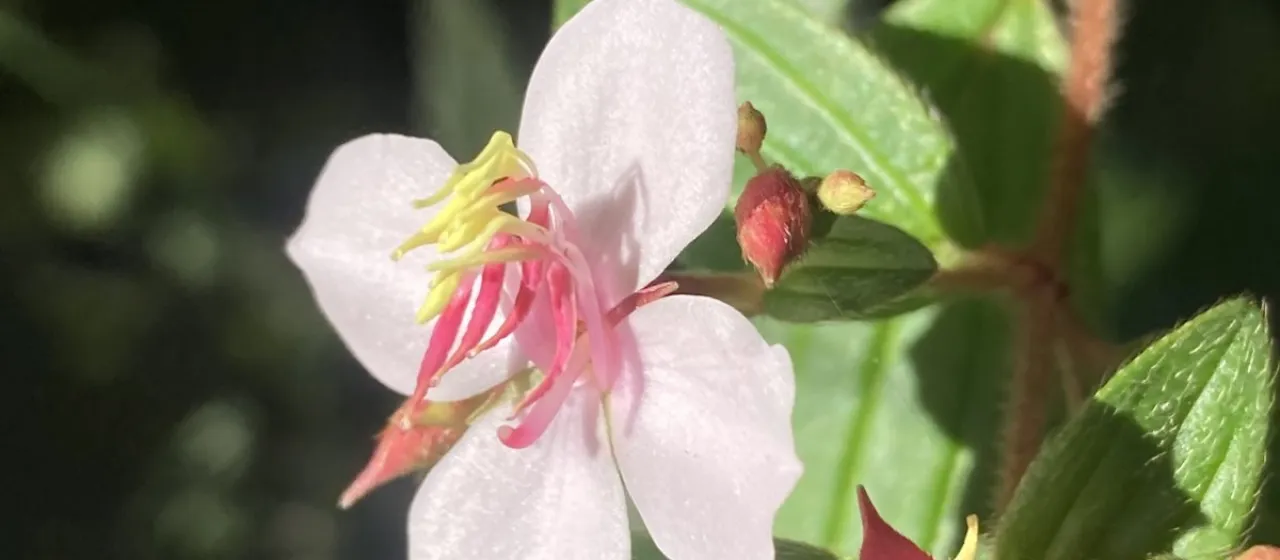
Description
Monochaetum floribundum is a striking evergreen shrub belonging to the Melastomataceae family. Highly regarded for its prolific flowering habit, it is a favored species in ornamental horticulture, particularly in regions where tropical or subtropical conditions can be replicated or sustained.
The plant originates from the mountainous regions of Central and South America, notably across Colombia and Venezuela. Because of its native highland habitat, it prefers cooler, moisture-rich environments rather than direct, harsh tropical heat, which is a critical factor for successful cultivation and garden management.
Botanically, this shrub is characterized by its dense, branched structure and dark green leaves with prominent longitudinal veins. The flowers, typically shades of rose or purple, are the highlight of the plant, featuring distinct stamens that contribute to its unique aesthetic appeal. Its growth habit is relatively compact, making it manageable for various display styles.
Cultivation requires specific attention to soil quality and hydration. A well-draining, slightly acidic soil substrate is essential to prevent root zone issues. Furthermore, the plant thrives in bright, indirect light, and maintaining high ambient humidity is crucial for optimal development and preventing foliage stress.
The primary use of Monochaetum floribundum is decorative. It is frequently employed in conservatory gardens, botanical displays, and residential landscaping in temperate to warm climates. It serves as an excellent focal point in flower beds or as a container plant that can be easily moved depending on the season.
- Watering: Consistent moisture, avoiding waterlogged soil.
- Soil: Peat-based, acidic, and well-aerated.
- Pruning: Periodic trimming to maintain shape and promote flowering.
- Feeding: Balanced, water-soluble fertilizers during the growing season.
- Pest Control: Monitoring for spider mites and soft scales.
Common issues during cultivation usually stem from poor drainage, leading to root rot, or dry air environments which invite spider mite infestations. Providing a stable, humid microclimate and practicing proper sanitation in the growing area effectively minimizes these risks and supports the long-term health of the shrub.