
Description
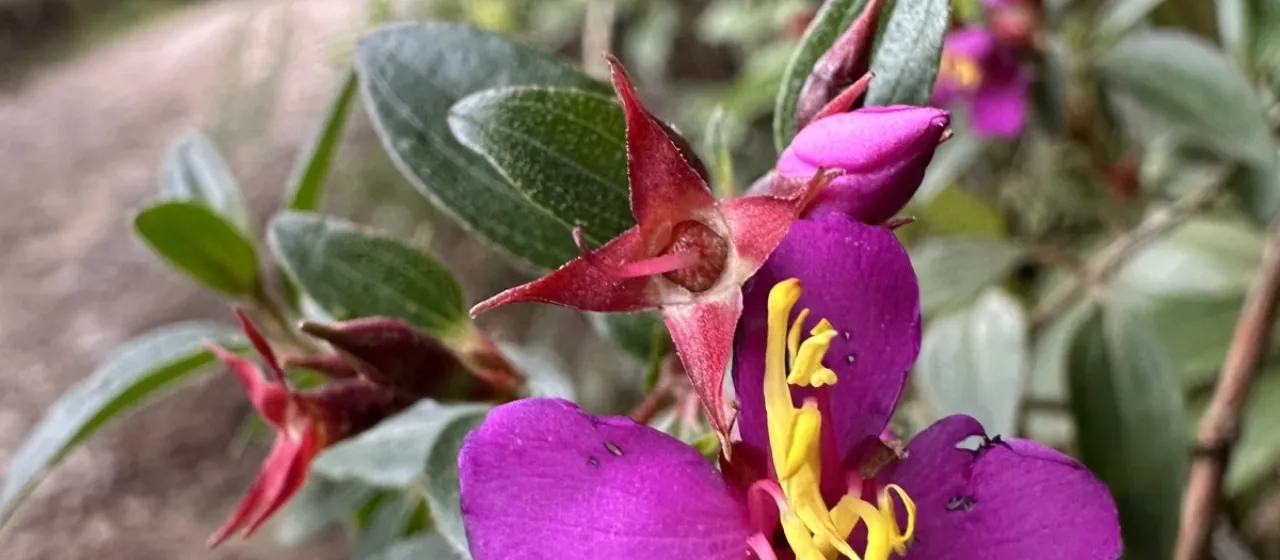
Monochaetum myrtoideum is a perennial evergreen shrub belonging to the Melastomataceae family. This species is highly valued in botanical collections for its elegant foliage and vibrant flowers, which reflect its adaptation to the unique conditions of cloud forests in tropical mountainous regions.
The plant originates from the high-altitude areas of the Andes in South and Central America. Its natural habitat is defined by cool temperatures and persistent humidity, which directly influences the requirements for its cultivation in greenhouses or controlled indoor environments today.
Botanically, the plant is characterized by small, opposite, myrtle-like leaves and attractive terminal flowers. The flower structure displays the distinct reproductive characteristics typical of the Melastomataceae family. The shrub generally exhibits a compact growth habit, making it suitable for container gardening when managed correctly.
Successful cultivation requires a well-draining, acidic growing medium rich in organic matter. Agronomic practices focus on maintaining consistent moisture levels and providing filtered or indirect light. The plant is sensitive to temperature extremes and thrives best when ambient humidity is kept at a moderate to high level throughout the year.
The primary use for this species is ornamental, specifically within conservatories and professional plant collections. Regarding plant health, cultivators should monitor for fungal pathogens that affect the roots, often exacerbated by poor drainage, and common greenhouse pests like spider mites, which can proliferate if environmental conditions become too dry.
- Family: Melastomataceae.
- Light requirement: Indirect bright light.
- Watering: Consistent, moderate.
- Soil type: Acidic and porous substrate.