
Description
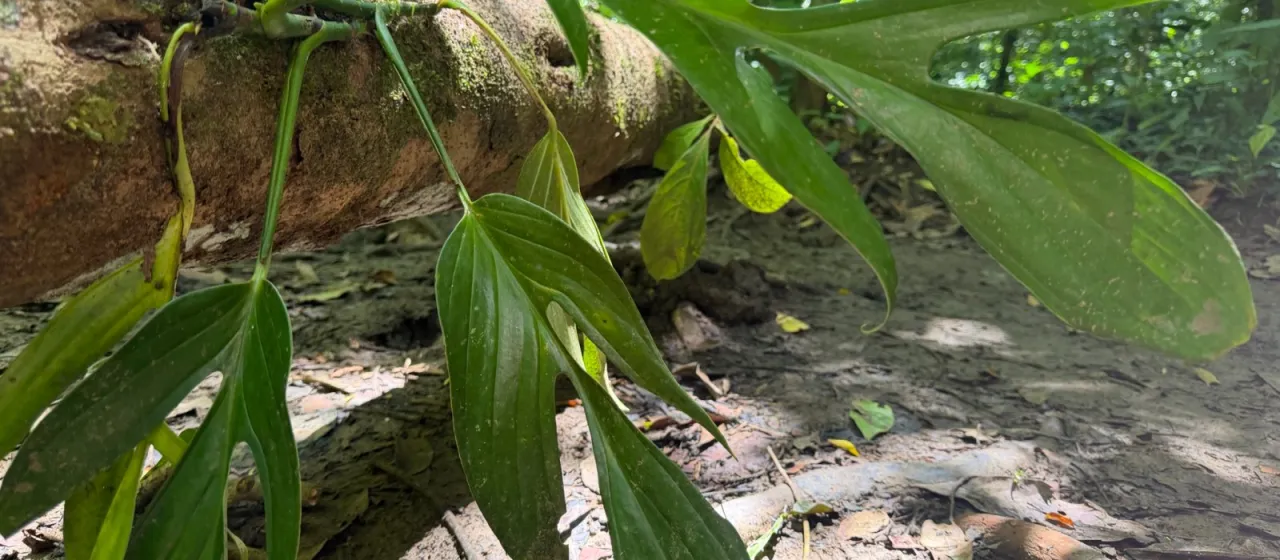
Monstera pinnatipartita is a striking ornamental plant belonging to the Araceae family. Unlike more common species, this cultivar is distinguished by its unique leaf morphology, which undergoes a dramatic transformation as the plant matures, developing deep, pinnate segments that create an intricate and highly aesthetic appearance.
The native habitat of this tropical species encompasses the humid rainforests of Central and South America, particularly within the regions of Colombia and Ecuador. In its natural environment, it functions as an epiphyte, utilizing the trunks of larger trees as structural support to climb toward the forest canopy, which dictates its inherent biological requirement for climbing support.
Botanically, the culture is characterized by a sturdy stem and large, glossy, dark green leaves. A defining feature of the species is its developmental process: juvenile foliage starts as solid, undivided blades, but as the plant matures, the leaves undergo deep pinnate lacerations that extend nearly to the midrib, providing the plant with its significant horticultural value.
Agronomic requirements for cultivation involve maintaining a stable thermal environment between 20°C and 25°C and high ambient humidity. The plant thrives in loose, moisture-retentive substrates consisting of peat, orchid bark, and charcoal to ensure optimal aeration. Providing a sturdy moss pole or coco coir support is essential, as it encourages the development of aerial roots and promotes vigorous growth.
In indoor and greenhouse settings, the plant can be susceptible to common Aroid pests, such as spider mites, scale insects, and mealybugs. Overwatering may lead to root rot; therefore, providing adequate drainage and a proper watering cycle is critical. The primary economic use of this plant is purely decorative, serving as a premium specimen for interior landscaping and botanical collections.