
Description
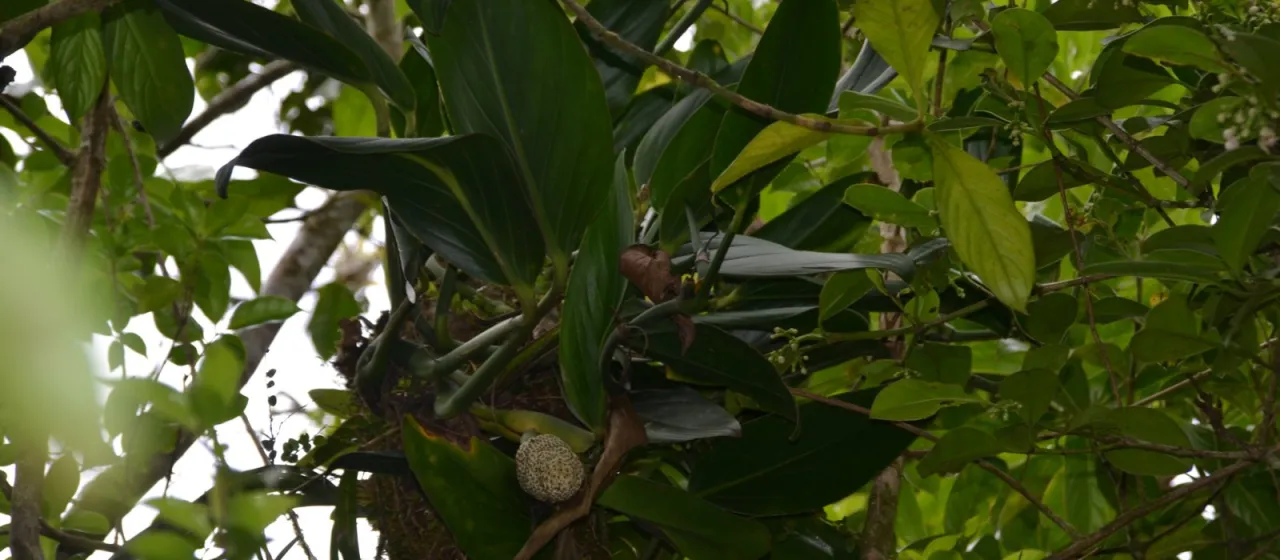
Monstera standleyana is a distinctive tropical plant species belonging to the Araceae family. Often referred to by collectors as an elegant alternative to larger monsteras, it is prized for its slender, lanceolate leaves and unique variegation patterns, making it a highly desirable specimen for home plant enthusiasts and interiors.
The plant is native to the tropical rainforests of Central America, specifically regions in Costa Rica and Honduras. In its natural habitat, it functions as an epiphyte, utilizing trees as structural supports to climb towards the canopy, which allows it to thrive in the diffused light conditions of the lower forest layers.
Botanically, it is characterized by its glossy, deep green foliage and a relatively compact growth habit compared to other members of the genus. The leaves are firm and durable, and the variegated forms display beautiful, irregular splashes of white or cream, which can vary in intensity depending on the specific light exposure and plant health.
Successful cultivation requires mimicry of its native habitat, including bright, indirect light and a well-draining, airy potting medium rich in organic matter. Watering should be carried out when the top layer of the soil feels slightly dry to the touch, and providing a moss pole is highly recommended to encourage larger, more mature leaf development.
- Regularly monitor for pests like spider mites and mealybugs.
- Maintain humidity above 50% for optimal leaf health.
- Ensure the pot has sufficient drainage holes.
- Wipe leaves with a damp cloth to prevent dust accumulation.
Disease management primarily focuses on preventing root rot, which occurs if the soil remains waterlogged for extended periods. By keeping the plant in a stable environment with consistent air circulation and careful monitoring for sap-sucking insects, one can maintain this exotic plant in a healthy and vigorous state for many years.