
Description
Montanoa hexagona is a perennial woody shrub or small tree belonging to the Asteraceae family. Known for its distinct architectural growth habit, this plant is primarily utilized in horticulture and sustainable landscaping within specific tropical and subtropical regions where climate conditions mimic its native environment.
The species originates from the mountainous regions of Mexico and Guatemala, typically growing at high altitudes. Its distribution range is strictly defined by its preference for temperate tropical climates where temperatures remain consistently above freezing. In commercial cultivation, it requires regions that provide steady warmth and protection from frost.
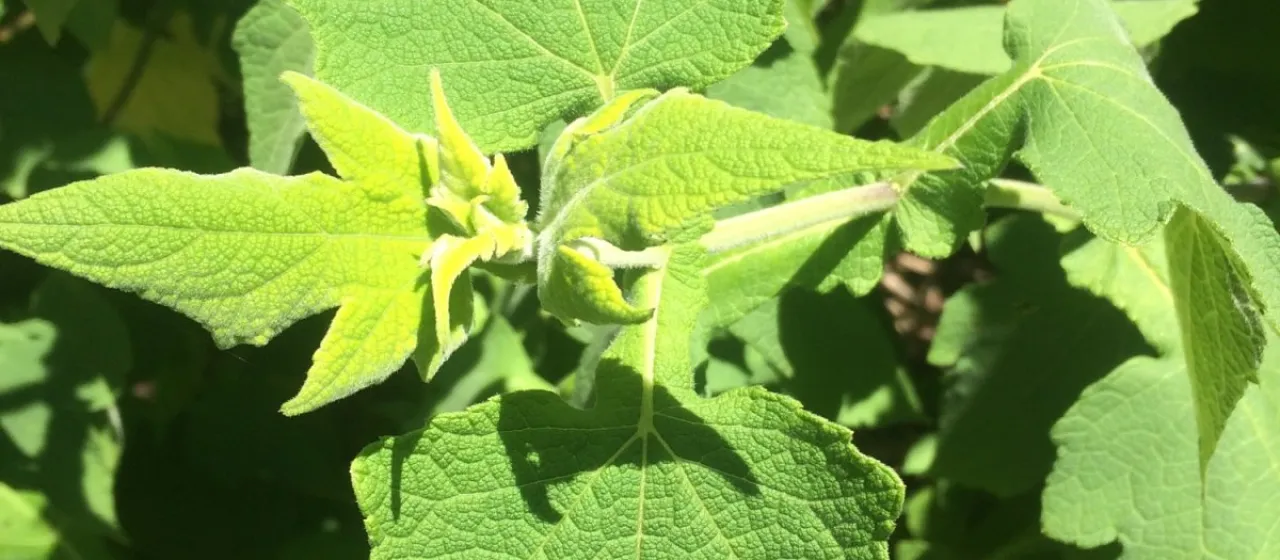
Botanically, the plant is distinguished by its hexagonal stems, which give it a unique structural appearance. It can reach heights of several meters, characterized by large, lobed leaves and dense, fragrant white flower heads. These inflorescences are not only visually appealing but also act as powerful attractants for various pollinating insects.
Agricultural requirements for successful growth include well-drained, fertile soil with a slightly acidic to neutral pH. The plant performs best in full sunlight but requires wind protection to prevent mechanical damage to its brittle branches. Regular irrigation is essential during dry spells to maintain consistent growth rates and prevent stress.
The primary хозяйственные (economic) uses for the plant include:
- Landscape design and ornamental hedge formation.
- Support for local apiaries due to its significant nectar production.
- Utilization as a fast-growing biomass source in suitable climates.
Pest and disease management is a critical aspect of Montanoa hexagona cultivation. Common threats include powdery mildew, which can occur in humid conditions, and sap-sucking pests like aphids. Integrated pest management, proper plant spacing to ensure airflow, and timely pruning are essential practices to maintain plant health and vigor.