
Description
Montanoa hibiscifolia, commonly known as the tree daisy, is a large evergreen shrub or small tree belonging to the Asteraceae family. It is highly regarded for its impressive growth habit and prolific blooms, which typically appear during late autumn and winter, providing seasonal interest when other plants are dormant.
The native range of this species extends across the tropical regions of Central America, specifically Mexico and Guatemala. In agricultural and ornamental contexts, it is widely cultivated in subtropical and mild temperate regions where it thrives as a striking landscape specimen or a robust informal hedge.
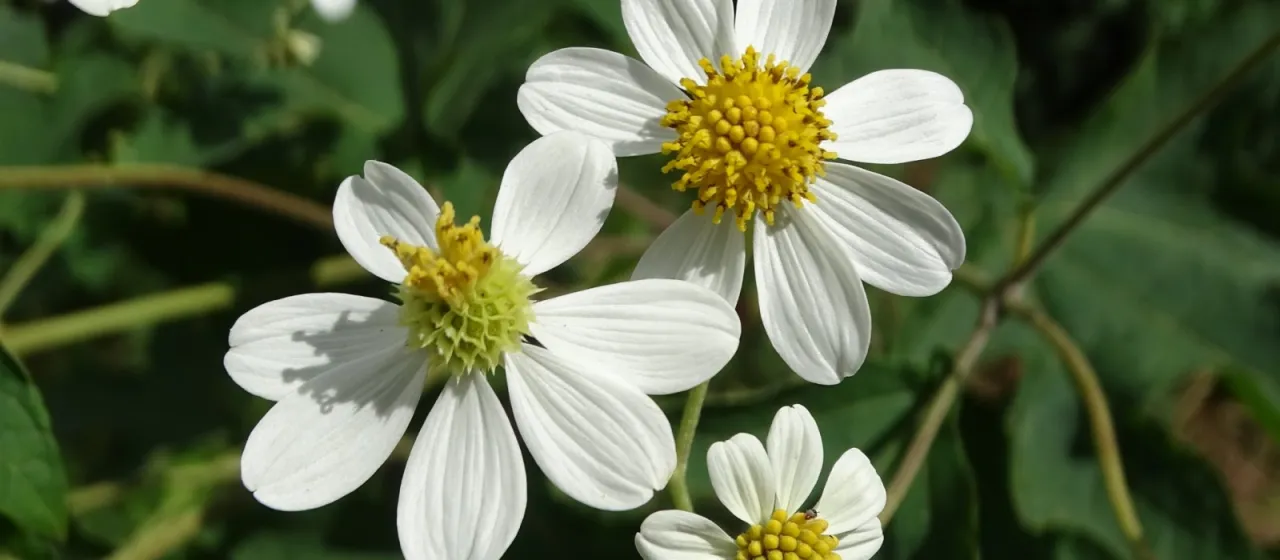
Botanically, the plant is characterized by its large, hibiscus-like, palmately lobed leaves. The inflorescences are composed of terminal heads with showy white ray florets and yellow disk florets. These blossoms are known for their sweet, distinct aroma, which serves as a highly effective attractant for honeybees and various butterfly species.
Successful cultivation requires a sunny location sheltered from strong, damaging winds. The plant prefers fertile, well-draining soil with a neutral to slightly acidic pH. Essential cultural practices include consistent moisture management during the growing season and periodic pruning, which is necessary to maintain a tidy structure and encourage a higher density of flowering branches.
The primary utility of the plant lies in its decorative value and its role as a late-season nectar source for beneficial insects. While generally resilient, it may be susceptible to pests such as whiteflies and spider mites, particularly in greenhouses. Gardeners should monitor for root rot if the soil remains waterlogged, ensuring that proper drainage is maintained throughout the year.