
Description
Sunsapote, scientifically classified as Moquilea platypus or Licania platypus, is a significant tropical tree species belonging to the Chrysobalanaceae family. It is recognized for its impressive stature and dense, evergreen canopy that provides excellent cover and bears substantial, nutrient-rich fruits commonly referred to as sapote-like or sunsapote.
The native distribution of this species spans across Central America and parts of South America. It thrives in humid tropical environments, showing high adaptability to low-altitude rainforest ecosystems. Due to its hardiness and culinary value, it has been introduced to various tropical regions worldwide for local consumption and small-scale commercial cultivation.
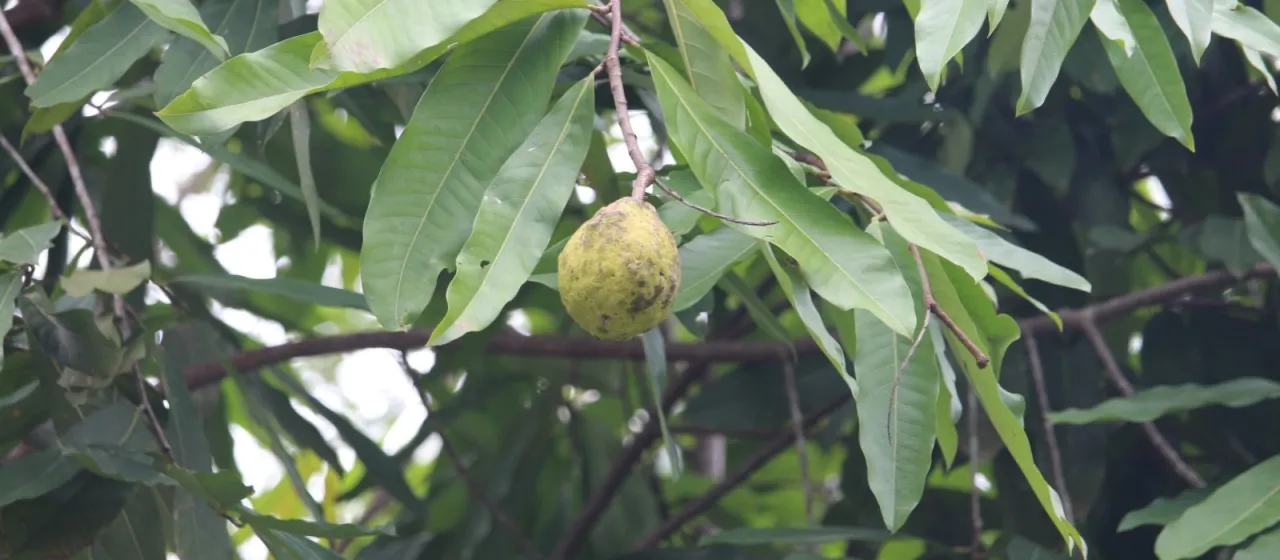
Botanically, the tree displays thick, leathery leaves and produces large, oblong to pear-shaped fruits. The fruit skin is typically leathery and brown, protecting a fibrous, sweet-tasting, yellowish-orange pulp. The tree is known for its slow but steady growth habit, reaching maturity over several years and becoming a productive part of tropical agroforestry systems.
Successful cultivation of Sunsapote requires deep, well-draining soils rich in organic matter. While the tree can tolerate various soil types, it performs best in regions with consistent rainfall and high humidity. Agronomic practices should focus on maintaining adequate soil moisture during the initial growth phase and preventing competition from invasive grasses around the base of the tree.
- Culinary use of mature fruits for desserts and beverages.
- Utilisation of durable wood for construction and furniture.
- Enhancement of local biodiversity in tropical agroforestry.
- Educational potential for botanical study in agricultural programs.
The tree is generally resilient, but farmers must remain vigilant against pests such as fruit flies and various types of wood-boring insects. Managing fungal pathogens involves ensuring proper canopy aeration and avoiding stagnant water around the root zone. Regular monitoring and appropriate pruning cycles are essential to maintain high-quality yield throughout the tree's lifespan.