
Description
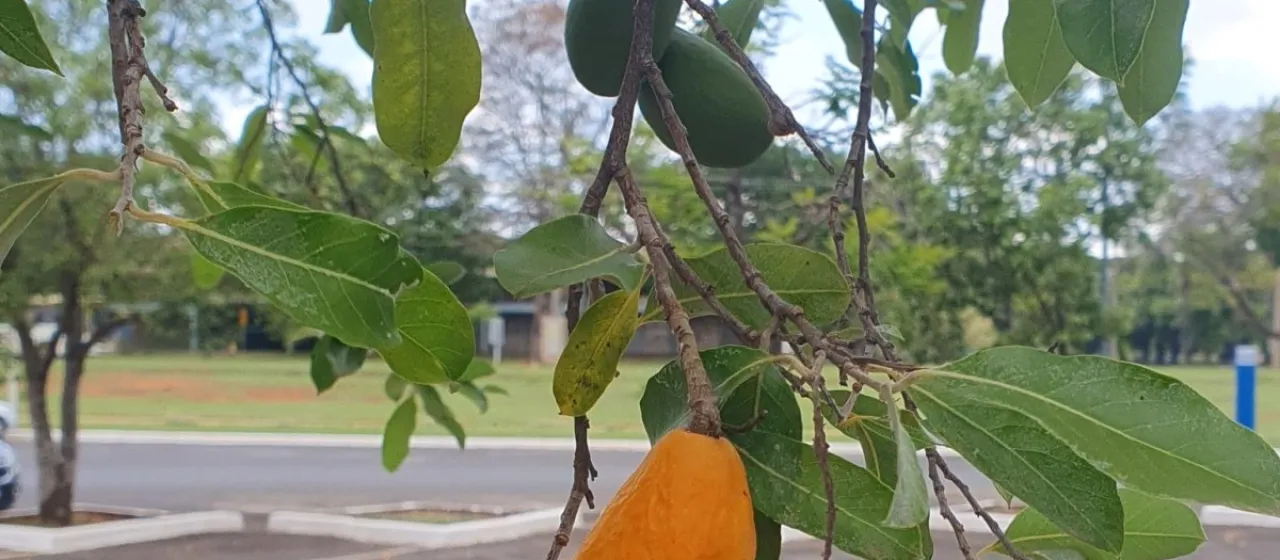
Moquilea tomentosa, widely classified within the Chrysobalanaceae family, is a notable evergreen tree species native to South America, particularly common in Brazil. It is a robust plant that has successfully integrated into various tropical ecosystems, providing ecological and economic benefits to the regions where it thrives.
The botanical identity of Moquilea tomentosa is defined by its characteristic foliage, featuring leaves that are tomentose (woolly or hairy) on the underside. This morphological trait serves as an adaptation to humid tropical environments, helping the tree regulate water balance under fluctuating atmospheric conditions.
Climatically, the plant thrives in tropical zones characterized by consistent warmth and abundant precipitation. It is highly sensitive to frost, which limits its commercial cultivation to frost-free regions. Optimal soil conditions include well-draining, nutrient-rich substrates that can retain sufficient moisture for active growth.
Agronomic management of Moquilea tomentosa focuses on initial establishment through controlled irrigation and light shading in the seedling phase. Once mature, the tree demonstrates high resilience against common tropical pests, though periodic monitoring for fungal diseases caused by excessive humidity in the crown area is recommended for high-yield plantations.
The economic utility of Moquilea tomentosa is primarily centered around its seeds, which are harvested for their high-quality oils. Additionally, the wood of this species is highly valued for its mechanical strength and resistance to decay, making it a sustainable choice for localized construction and timber industries in its native territory.
- Family: Chrysobalanaceae
- Plant Type: Evergreen Tree
- Native Habitat: South American Rainforests
- Key Benefit: Oil-rich seeds
- Cultivation Need: Well-draining soil