Moraea pallida
Moraea pallida
Description
Moraea pallida is a perennial herbaceous plant belonging to the Iridaceae family. Within the agricultural landscape, particularly in Southern Africa, this plant is not considered a crop but rather a harmful weed that poses significant risks to livestock due to its inherent toxicity. Understanding its characteristics is essential for effective pasture management and animal safety.
Native to Southern Africa, the species is found predominantly on grasslands and open veld. It has evolved to thrive in various soil types, particularly those with good drainage. Its ability to tolerate challenging climatic conditions, including seasonal droughts, allows it to persist in environments where more sensitive forage species might struggle, often leading to the overgrowth of this toxic plant on grazing lands.
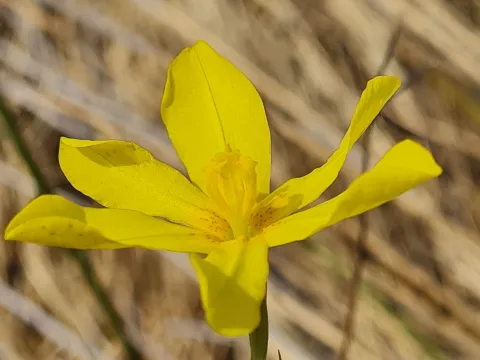
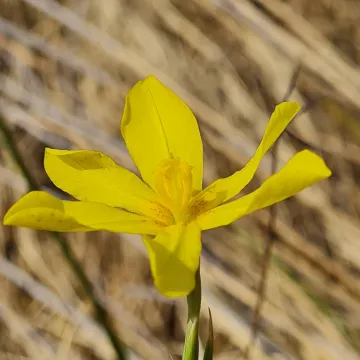
The botanical structure of Moraea pallida is that of a geophyte, possessing an underground corm that serves as a storage organ. The leaves are typically narrow and elongated, while the flowers display a characteristic pale yellow or cream-colored appearance, which is a key identification feature. The plant exhibits a robust reproductive cycle, producing seeds that aid in its spread across agricultural landscapes.
From an agrotechnical perspective, managing this plant requires persistent efforts. It is highly resistant to standard mechanical control methods, as the underground corms can easily sprout again if not completely removed. Integrated pest management, which includes controlled grazing strategies and the judicious use of herbicides during the active growth phase, is recommended to keep infestations under control.
- Monitor pasture density regularly.
- Implement rotational grazing to reduce livestock exposure.
- Apply chemical controls during the peak growth season.
- Avoid overgrazing, which creates empty niches for weed invasion.
The primary agricultural concern is the toxic nature of the plant, which contains cardiac glycosides. When livestock, such as cattle and sheep, ingest the plant, it leads to poisoning, manifesting in symptoms like muscle tremors, digestive distress, and even death. Preventive measures to eradicate this species from grazing areas are paramount for sustaining healthy livestock populations.
Photo gallery