Moraea sisyrinchium
Moraea sisyrinchium
Description
Moraea sisyrinchium is a bulbous perennial herbaceous plant belonging to the Iridaceae family. Often referred to as the Barbary nut, it is known for its remarkable ability to thrive in arid Mediterranean conditions. As a specialized agricultural crop, it is highly valued for its low water requirements and adaptability to poor soil types.
The native distribution area of this species extends across the Mediterranean basin, North Africa, and the Middle East. It typically occupies open habitats, rocky hillsides, and sandy steppes. Its evolutionary history has made it a robust plant, capable of surviving harsh summer droughts by entering a dormant state, which is a crucial aspect to consider when planning its growth cycle.
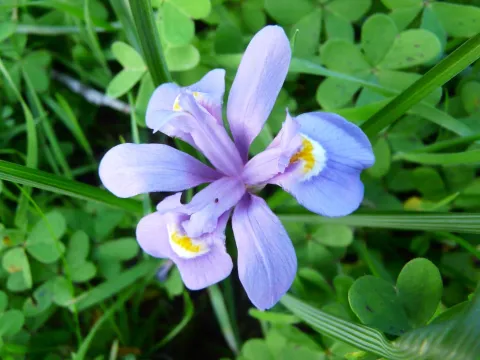
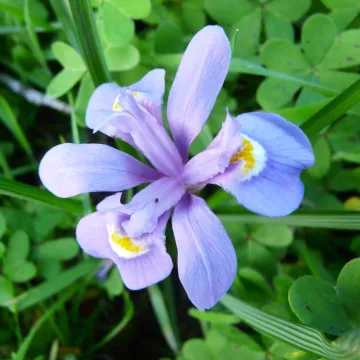
Botanically, the plant features a tunicate bulb that produces thin, lanceolate leaves and a delicate flowering stem. The flowers are typically violet or blue with distinct white or yellow markings. While individual blossoms are ephemeral, lasting only a single day, the plant produces several buds that open sequentially, ensuring a display of flowers during the spring months.
Agronomic requirements are focused on high drainage and light exposure. For successful cultivation, the soil should be porous and gritty, preventing any moisture accumulation around the bulb, which can quickly lead to rot. It is best suited for climates with mild, wet winters and hot, dry summers. In regions with freezing temperatures, it is recommended to grow the plants in pots that can be moved to frost-free areas during the winter.
The primary use of Moraea sisyrinchium is in ornamental horticulture, particularly in rock gardens and landscapes designed for xeriscaping. It is relatively resistant to many common pests, though growers should monitor for bulb rot and aphid infestations. Proper field management involves:
- Ensuring deep drainage in soil profiles.
- Providing full sun for maximum bloom production.
- Avoiding over-fertilization with synthetic nitrogen.
- Maintaining a dry rest period post-flowering.
Photo gallery