
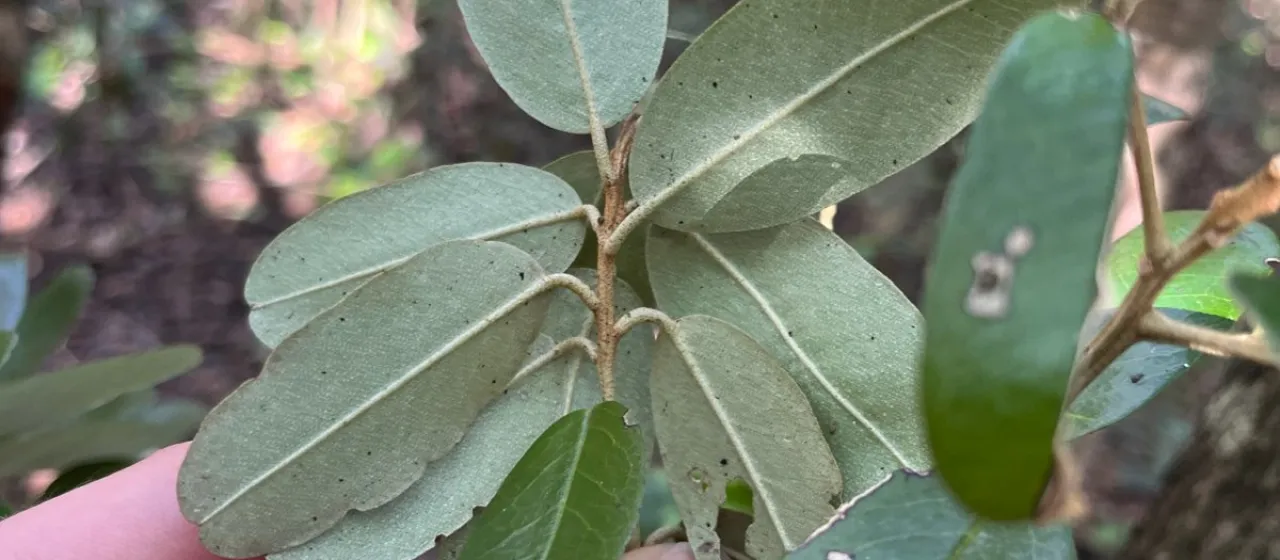
Description
Morisonia cynophallophora is a distinct plant species belonging to the Capparaceae (Caper) family. It typically grows as a robust evergreen shrub or a small tree. Its unique biological structure allows it to thrive in specific tropical niches, showcasing a remarkable adaptation to diverse environmental conditions within its native range.
The species is primarily native to Central and South America, as well as the Caribbean islands. It is well-suited for cultivation in tropical and subtropical zones characterized by distinct seasonal variations. The plant requires a frost-free environment to maintain its health and physiological vigor, making it a staple of tropical arboriculture rather than temperate farming systems.
Botanically, the plant is recognized for its leathery foliage and distinctive, showy flowers with prominent stamens. The fruit is a characteristic capsule that splits upon maturity to release seeds. Its root system is exceptionally efficient at moisture uptake, which is a critical trait for surviving seasonal droughts in its natural habitat. The structural integrity of the wood makes it quite resilient against mechanical stressors.
Agricultural requirements for Morisonia cynophallophora focus on well-draining, nutrient-rich soils with a near-neutral pH. It thrives under full sunlight exposure, which is necessary for optimal flowering. Proper management includes a balanced irrigation schedule during the growing season and periodic fertilization to sustain high levels of photosynthetic activity, while avoiding soil compaction around the root zone.
The primary economic use of this plant is within ornamental horticulture and landscape design, providing aesthetic value and shade in tropical gardens. Research into its medicinal properties is ongoing in various ethnobotanical contexts. Management of the plant involves monitoring for common tropical pests, such as aphids and spider mites, and preventing fungal infections that may occur during prolonged periods of excessive humidity.