
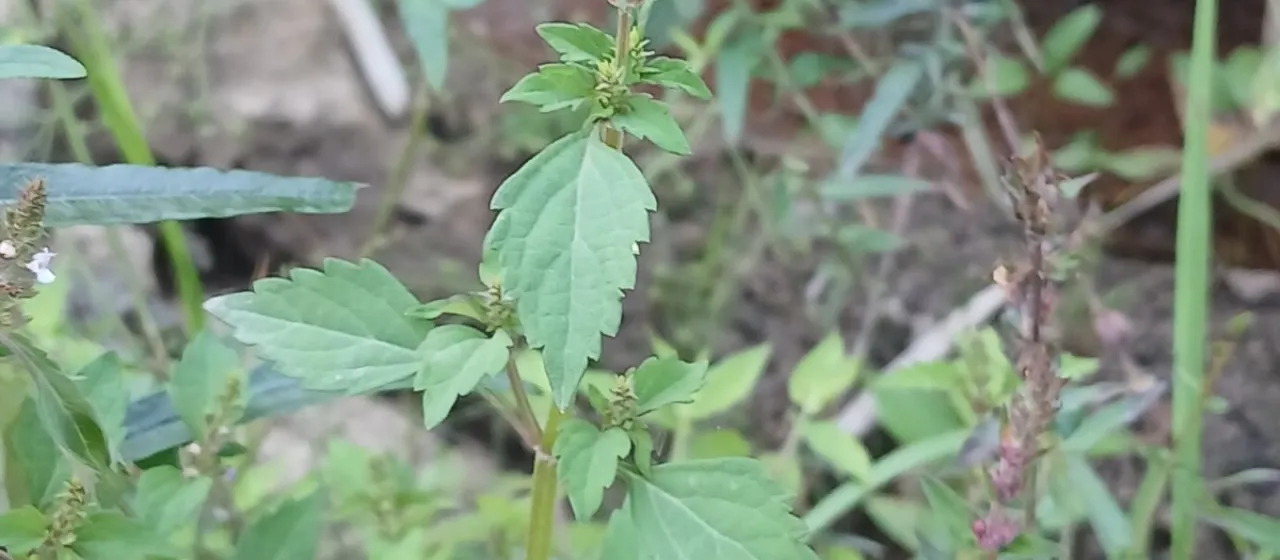
Description
Mosla dianthera is an annual herbaceous plant belonging to the Lamiaceae family. It is recognized for its significant aromatic profile, which is highly valued in various regions where it is cultivated as a source of essential oils and specialized culinary ingredients.
The plant is native to East and Southeast Asia, with its natural range spanning countries such as China, Japan, and Korea. In its natural habitat, it typically thrives in humid environments, including forest margins and riverbeds, reflecting its preference for consistent moisture during the growing season.
Botanically, the plant features a branched stem reaching up to 60 centimeters in height. Its leaves are distinctively serrated, and it produces small, clustered flowers in late summer, which often range from white to purplish in color. The morphological structure allows for efficient leaf production, which is the primary part utilized in agriculture.
Cultivation requirements for Mosla dianthera include well-drained, fertile soil with a slightly acidic to neutral pH. It performs best in sunny locations where it can maximize photosynthesis for essential oil accumulation. Irrigation must be managed carefully to ensure steady growth without waterlogging, which can be detrimental to the roots.
The economic value of this crop is derived from its diverse applications in the food, cosmetic, and pharmaceutical industries. It is used as a flavorful spice in traditional Asian dishes and as a raw material for herbal extracts due to its reported antimicrobial and antioxidant properties, making it an emerging crop for specialty farmers.
- Susceptible to root rot if soil drainage is insufficient.
- May be prone to infestation by aphids or spider mites in dry conditions.
- Requires consistent weeding, especially during the early seedling stage.
- Harvesting is most productive when the plant begins its flowering phase.