
Description
Mosla formosana is an annual herbaceous plant belonging to the Lamiaceae family. Often recognized for its intense aromatic properties, this species is closely related to other culinary and medicinal herbs like basil and perilla. The plant features square stems and simple, opposite leaves, which are characteristic of its botanical family.
The plant originates from East Asia, with a primary distribution range across Taiwan, China, and parts of Japan. It typically thrives in humid, well-lit environments such as mountain slopes, forest margins, and open field borders. Its cultivation is concentrated in regions that offer a moderate to warm climate with sufficient rainfall during the growing season.
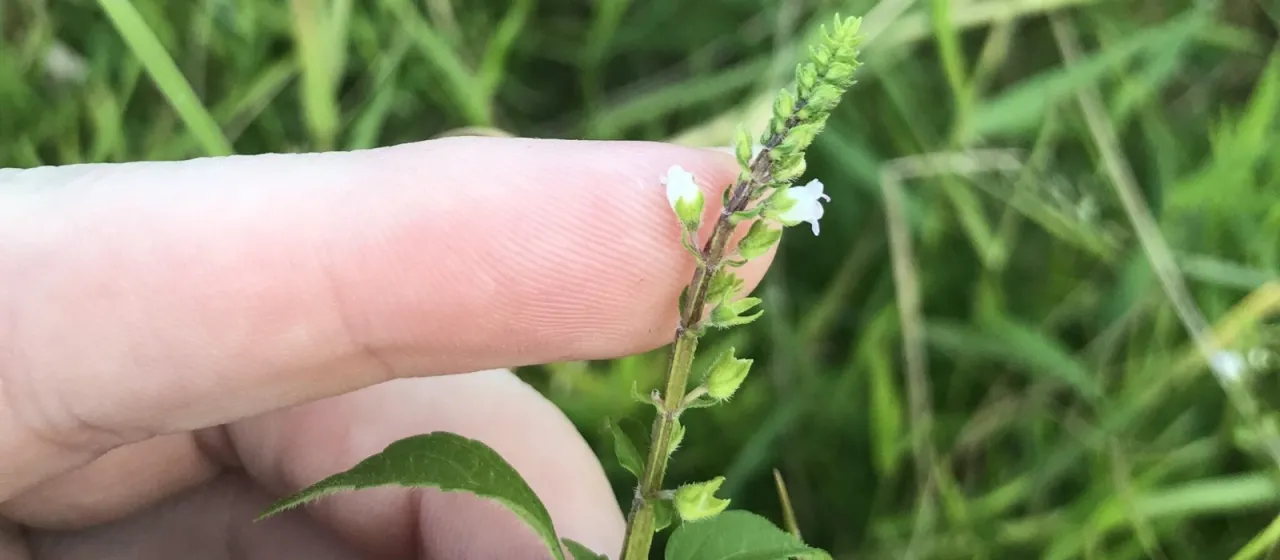
Botanically, Mosla formosana displays small, tubular flowers, usually white or purplish, organized in raceme-like inflorescences. The plant’s rapid growth cycle allows it to reach maturity within a few months, producing abundant foliage rich in volatile oils. It is highly valued for its chemical diversity, including compounds that contribute to its distinctive herbal scent.
For successful agricultural production, farmers should prioritize fertile, well-draining soils with a neutral pH. While the crop is relatively hardy, it requires consistent moisture to prevent premature flowering and to maximize leaf yield. It is essential to ensure ample sunlight for the plants, as low-light conditions can negatively affect the concentration of essential oils.
- Soil Type: Well-drained loamy or sandy soil
- Propagation: Seed sowing in early spring
- Spacing: 25–30 cm between plants
- Harvesting: Peak flowering stage for oil extraction
The primary economic value of Mosla formosana lies in its essential oil content, which possesses antimicrobial and antioxidant properties. It is widely used in traditional medicine for respiratory relief and as a potent aromatic herb in regional cuisine. Farmers should monitor for typical pests such as aphids and spider mites, which can be managed through integrated pest control practices.