
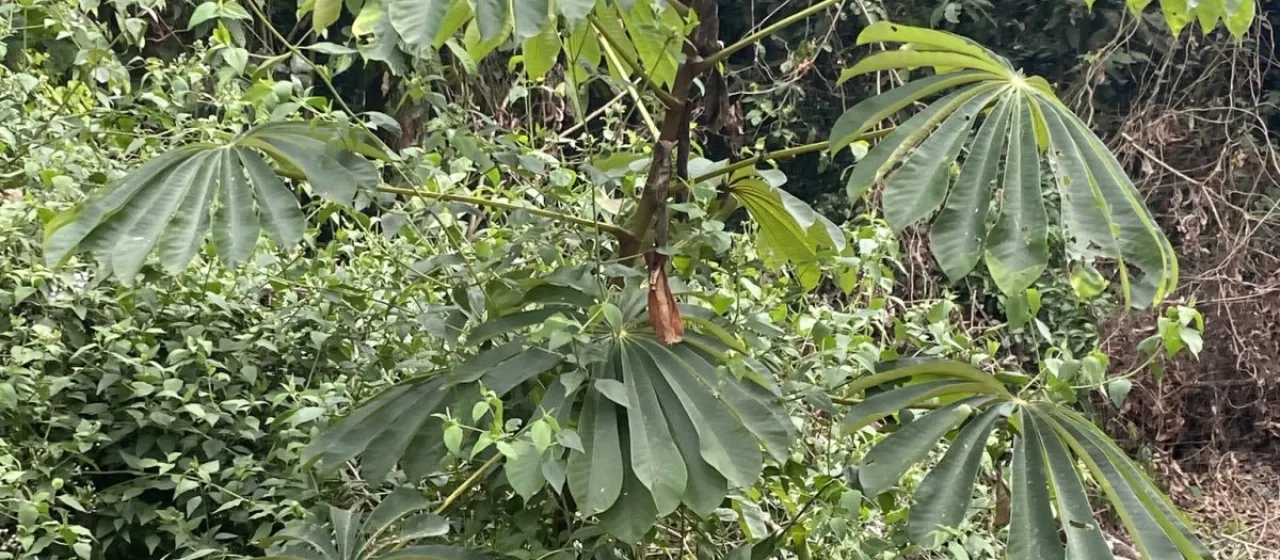
Description
Musanga smithii, commonly known as the African corkwood or umbrella tree, is a prominent species within the Urticaceae family. It is widely recognized for its exceptional growth rate, often reaching significant heights within just a few years. This species serves as a vital component in tropical forest succession, acting as a biological anchor for soil regeneration in degraded landscapes.
Originating from the humid lowland forests of Western and Central Africa, this tree thrives in equatorial conditions. It prefers areas with high humidity and consistent rainfall throughout the year. Its native range stretches across the tropical belt, where it colonizes gaps in the canopy, clearings, and areas subjected to shifting cultivation, demonstrating high adaptability to disturbance.
Botanically, Musanga smithii is distinguished by its straight, unbranched stem that terminates in a wide, umbrella-shaped canopy of large, palmate leaves. Its root system is primarily adventitious and shallow, optimized for rapid nutrient uptake in nutrient-poor tropical soils. The wood is exceptionally light, with a texture and density that makes it a sustainable alternative to traditional cork in various local applications.
Agricultural requirements focus on high light availability and well-drained, fertile soil. While the tree can grow in various soil types, it performs best in deep, loamy substrates rich in organic matter. Cultivation techniques include direct seeding or transplanting nursery-grown seedlings. Due to the short viability of seeds, they must be sown promptly after harvesting to ensure high germination rates.
- Production of lightweight timber for local construction and crafts.
- Agroforestry application to provide canopy shade for coffee or cacao.
- Soil erosion control in high-rainfall mountain areas.
- Use of sap and leaves in traditional pharmacological preparations.
The main agronomic challenges involve susceptibility to fungal leaf spots and wood-boring insects, which thrive in dense, humid environments. Management strategies should prioritize maintaining adequate spacing between trees to improve air circulation. Regular field monitoring is essential to detect early infestations and prevent the spread of pathogens throughout the plantation.