
Description
Neokochia californica is a herbaceous plant belonging to the Amaranthaceae family. Previously classified under the Kochia genus, it has been reclassified to better reflect its evolutionary lineage. This plant is recognized for its remarkable ability to thrive in extremely harsh environments where traditional agricultural crops often fail.
The native range of this species is primarily the arid and semi-arid desert regions of California and neighboring states. Given its natural habitat, the plant is highly adapted to intense heat and prolonged drought, making it an ideal candidate for research in sustainable agriculture, particularly for land reclamation projects in dry zones.
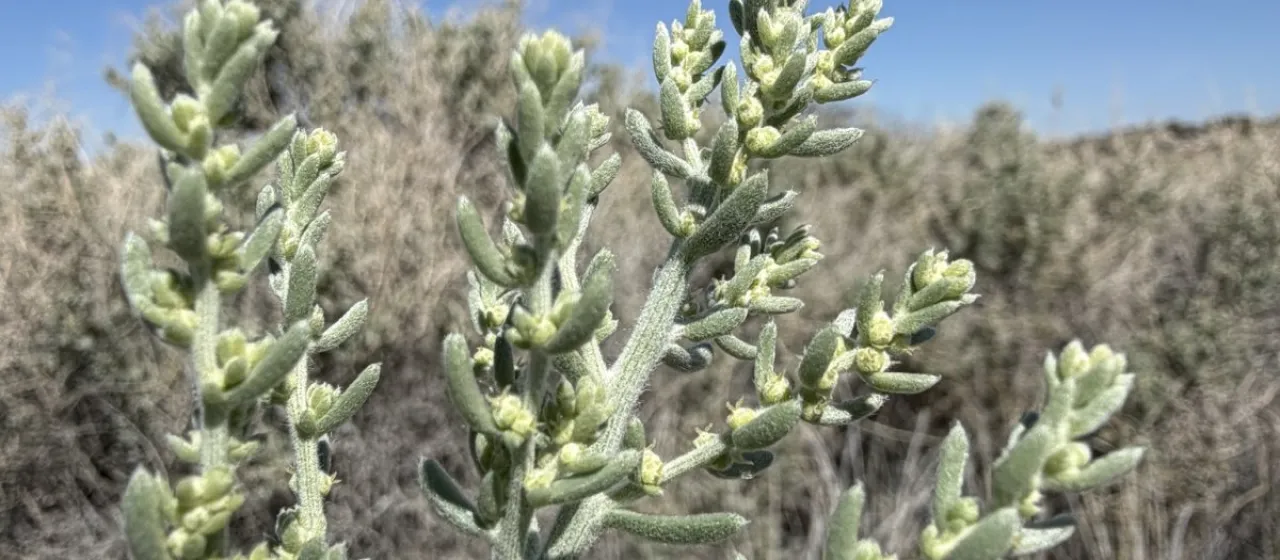
Botanically, the species is characterized by its succulent leaves and stems, which are covered in fine hairs that reduce water loss. The root system is deep and extensive, allowing the plant to tap into deep soil moisture reserves. This physiological structure enables the plant to remain green and productive even when surrounding vegetation has withered.
The agronomic requirements for Neokochia californica center on its preference for saline or alkaline soils. Unlike many crops that struggle with high salt concentrations, this plant acts as a halophyte, effectively utilizing such environments. Cultivation success depends on maintaining adequate soil drainage, as the plant is highly susceptible to root decay if waterlogged for extended periods.
In terms of agricultural utility, the species is mainly explored as a forage source for livestock in arid regions. While it is naturally resistant to many pests, growers should monitor for common soil-borne pathogens if irrigation techniques are improperly applied. Future research aims to optimize its productivity for sustainable grazing systems in desertification-prone areas.