
Description
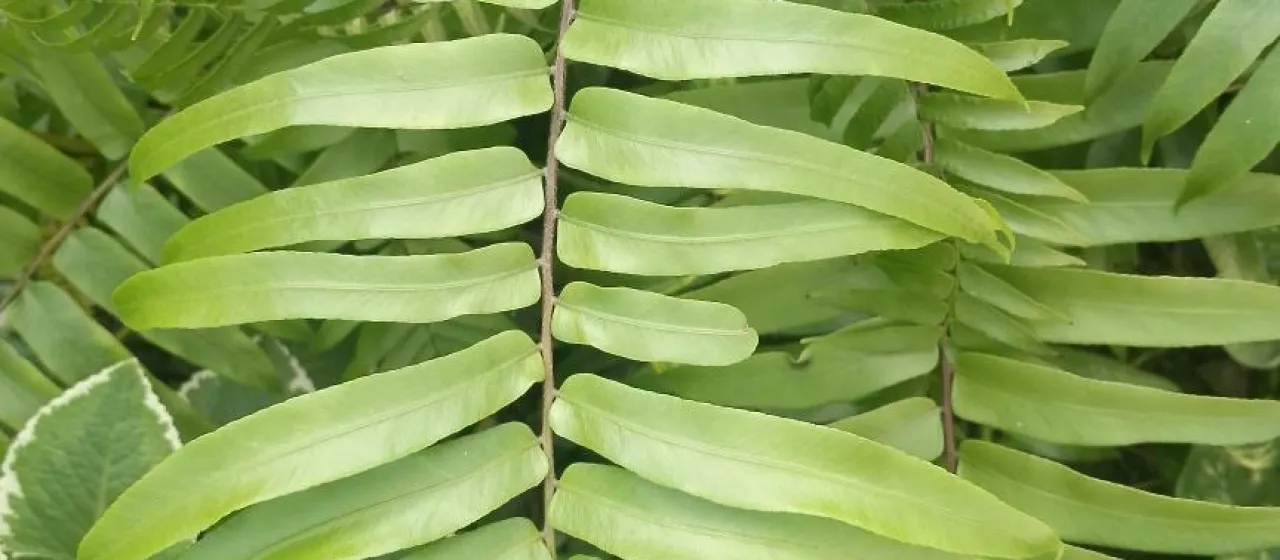
Nephrolepis biserrata, commonly known as the Giant Sword Fern, is a robust perennial fern belonging to the Lomariopsidaceae family. It is widely cultivated in the horticultural industry as a high-value ornamental plant, prized for its vigorous growth rate and ability to create a lush, tropical aesthetic in interior and greenhouse settings.
The species originates from tropical regions across Africa, Asia, Australia, and the Americas. In its natural habitat, it thrives in humid environments such as forest floors and wetlands. In modern agriculture, it is managed as a container-grown crop in commercial nurseries, where it is favored for its adaptability to controlled indoor environments.
Botanically, the plant is characterized by its long, arching fronds that can extend several meters in length, featuring leaflets with serrated edges. It possesses a shallow but dense root system and produces stolons, which facilitate both rapid vegetative spread and propagation. Its ability to sequester carbon and improve indoor air quality adds to its value as a functional ornamental.
Cultivation requirements necessitate a stable tropical climate, with optimal temperatures ranging from 18°C to 25°C. High atmospheric humidity is critical, as is a well-draining, slightly acidic soil medium. Irrigation must be managed to maintain consistent moisture without inducing waterlogging, which can be detrimental to the rhizomes.
Effective production involves strict pest management protocols, as the plant is susceptible to scale insects and spider mites in dry conditions. Ensuring proper ventilation and avoiding water-stressed environments are the primary methods for disease prevention. With appropriate care, this fern serves as a durable and visually striking element in both commercial and residential horticulture.